Leave a Message

By providing your contact information to Ciera Huha, your personal information will be processed in accordance with Ciera Huha's Privacy Policy. By checking the box(es) below, you consent to receive communications regarding your real estate inquiries and related marketing and promotional updates in the manner selected by you. For SMS text messages, message frequency varies. Message and data rates may apply. You may opt out of receiving further communications from Ciera Huha at any time. To opt out of receiving SMS text messages, reply STOP to unsubscribe.

Thank you for your message. I will be in touch with you shortly.

Hurricane New Construction vs Resale: How To Choose

February 12, 2026

Thinking about a brand-new build or a lived-in home with character in Hurricane? You are not alone. With steady growth across Washington County and a lifestyle centered on red rock views, golf, and Sand Hollow adventures, you have great choices in both new construction and resale homes. In this guide, you will learn how prices, timelines, warranties, HOAs, finishes, and neighborhoods typically compare in Hurricane so you can choose with confidence. Let’s dive in.

How Hurricane’s market shapes your choice

Hurricane sits in one of Utah’s fastest-growing regions. New construction tends to rise on the city’s edges and in planned subdivisions where roads and utilities are going in. Resale inventory is more common in established neighborhoods closer to central corridors. This pattern creates a real trade-off. You see fresh floor plans and amenities in newer communities, and you see mature landscaping and settled streets in older areas.

Where you often find new homes

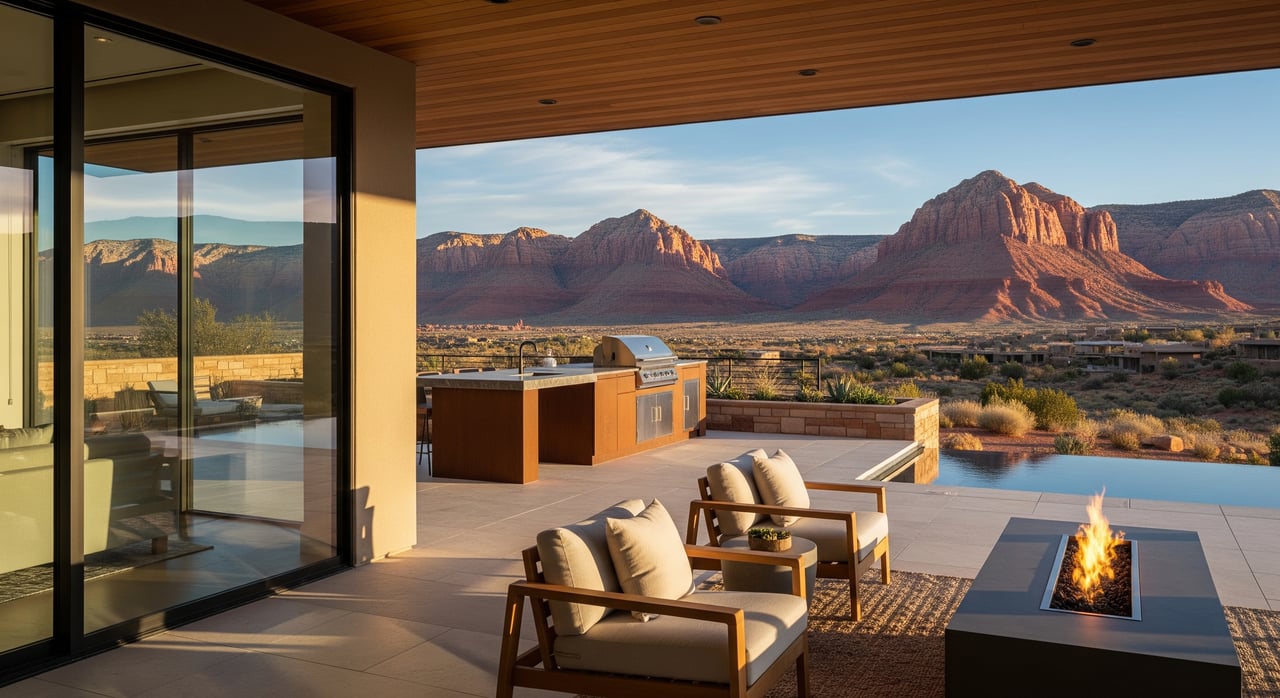
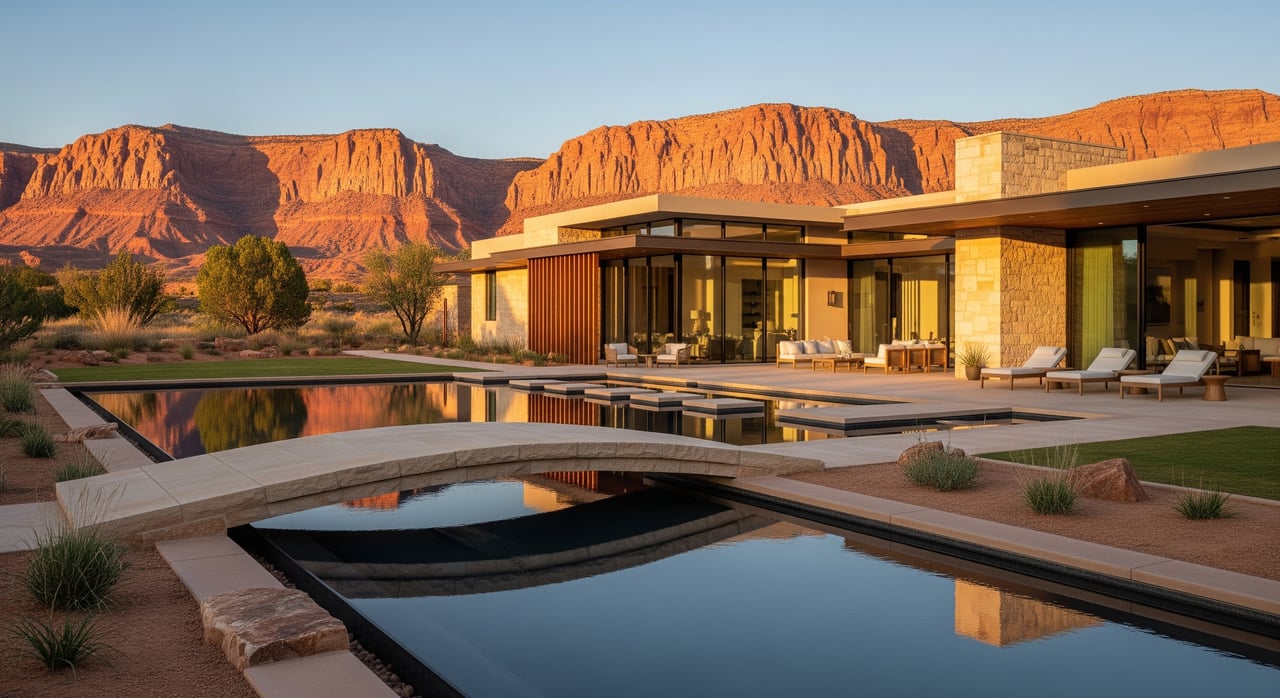
Newer homes are typically in recently annexed areas and planned communities. Builders prioritize spots with new roads and infrastructure and sometimes market amenities like trails or reservoir access. In Hurricane, lots with views or proximity to Sand Hollow or golf can carry premiums.

Where you often find resale homes

Resale options cluster near older, established parts of Hurricane. You may find larger or more established yards, finished streets, and completed nearby commercial services. Some areas have no HOA, while others have older HOA communities with set expectations.

Price differences in Hurricane

New construction often carries a per-square-foot premium compared to nearby resales. You pay for newer code-compliant systems, modern finishes, builder overhead, and sometimes a lot premium for views, cul-de-sacs, or proximity to amenities. Resales can show a lower immediate purchase price per square foot, though you may budget for updates or near-term maintenance.

Key local price drivers to check:

  • Lot and location premiums. Views toward Pine Valley or Zion, golf adjacency, and access to Sand Hollow typically increase value.
  • Infrastructure and utilities. Some newly developed areas may have assessments or special utility districts. Ask how these affect ongoing costs.
  • Builder pricing strategy. Production builders often set a base price, then charge for upgrades or lot premiums. Smaller local builders may price differently.
  • Comparable sales. Resale prices hinge on neighborhood comps. New build comps need careful selection because lot and specification differences can skew value.

Pro tip: When comparing a new build to a resale, request a line-item list of what is included. Confirm if the advertised price includes landscaping, irrigation, fencing, or window coverings.

Timelines and move planning

Your timing is a major factor in this decision. New construction gives you new systems and customization. Resale often gets you the keys sooner.

New construction timelines

  • Inventory or spec homes. If a builder has a completed or near-complete home, you might close in weeks to a few months.
  • Semi-custom on a builder’s lot. A common range is about 3 to 6 months from foundation to close, depending on scope and builder schedule.
  • Fully custom on your own lot. Expect 6 to 12 months or more due to permitting, site work, and custom choices.

Local permitting, inspections, and utility hookups in Hurricane can influence the timeline. If you lock a contract months before closing, talk to your lender and builder about rate locks or buy-down options to manage interest-rate risk.

Resale timelines

Resale purchases commonly close in about 30 to 45 days with conventional financing. Cash buyers can move faster. If you have a specific move date or need certainty for a school or job start, resale or near-complete inventory homes can be more predictable.

Warranties, inspections, and risk management

New builds usually come with layered warranties, while resales rely on inspections and seller disclosures. In both cases, documentation and due diligence matter.

Typical new home warranties

  • Workmanship warranty. Commonly 1 year for finish and workmanship items.
  • Systems warranty. Often 2 years for plumbing, electrical, and HVAC systems.
  • Structural warranty. Commonly 10 years for major structural defects, sometimes through a third-party provider.

Ask for the full warranty booklet in writing, confirm what is covered, how to file a claim, and whether coverage transfers.

Inspections to never skip

  • New construction. Hire independent inspectors for pre-drywall, mechanical, and final inspections. Complete a detailed punch list before closing and confirm how and when items will be resolved. If items remain, discuss an escrow holdback.
  • Resale. Order a comprehensive home inspection covering roof, foundation, plumbing, electrical, HVAC, and pests. In Hurricane’s desert climate, pay attention to drainage and erosion control, irrigation, and the age of water heaters and HVAC units.

Manage new-build risks

  • Change orders. Get an itemized price list and a written process for approving changes. Small adds can snowball.
  • Lot specifics. Verify grading, drainage, and desert landscaping plans so stormwater and irrigation are handled correctly.
  • Appraisal and comps. In brand-new subdivisions, appraisals can be challenging if there are few closed comps. Discuss a plan with your lender and agent early.

Finishes, energy, and customization

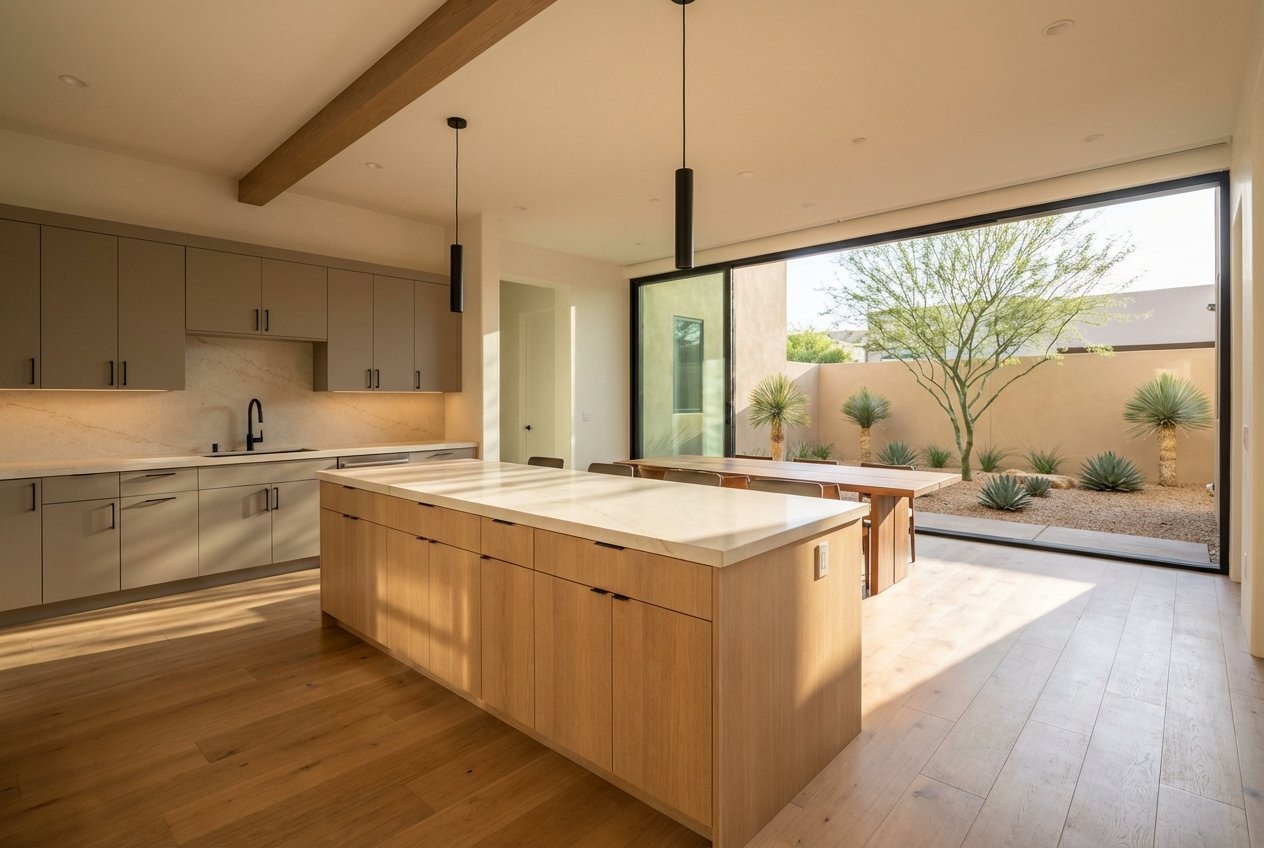
New builds usually meet current Utah building and energy codes. That can mean better insulation, windows, and mechanical efficiencies compared to older homes. If you sign early in the process, you can choose finishes and layouts to match how you live.

Resale homes can offer character that is hard to replicate. You may get mature trees, established plantings, and yard space that newer subdivisions do not always provide. Some resales come with motivated sellers, which can open the door to price negotiations or seller-paid repairs.

Budget tip: Builders often list a base price, but upgrades to flooring, cabinets, countertops, appliances, lighting, and landscaping can raise the total fast. Ask for a “standard features” sheet and a written allowances list so you can compare apples to apples with finished resales.

HOAs, CC&Rs, and community rules

Many new developments in Hurricane include HOAs and recorded CC&Rs that set aesthetic standards and manage common areas. Fees can cover roads, amenities, irrigation, or landscaping. Review the budget, what the fee covers, and any history of special assessments.

Check CC&Rs for restrictions that may affect your plans, such as RV parking rules, exterior changes, or short-term rental limits. In amenity-focused communities near golf or the reservoir, verify access rights, what is public versus private, and whether special district fees apply.

If the neighborhood is established and non-HOA, confirm local ordinances and any private road or irrigation arrangements that could affect upkeep.

Financing and incentives

Resale purchases typically use conventional, FHA, VA, or USDA loans with a 30 to 45 day close. New construction can involve different choices.

  • Builder incentives. You may see closing cost credits, mortgage rate buy-downs, appliance packages, or price adjustments on model homes. These change often and are negotiable.
  • Construction-related financing. Semi-custom or custom paths may require construction-to-permanent loans. If you are using a VA loan, make sure your lender and builder know VA new-construction rules.
  • Rate exposure. If your close date is months away, ask about extended rate locks or buy-downs to reduce risk.

Compare the value of incentives versus a direct price reduction. A short-term buy-down can be helpful, but an upfront price cut might benefit you more depending on your plans and hold time.

Neighborhood patterns in Hurricane

Expect new construction to cluster on the periphery and in recent subdivisions, while resales are more common in established neighborhoods closer to central Hurricane. Commute time to St. George, proximity to I-15, and access to outdoor anchors like Sand Hollow can all shape value and lifestyle.

School boundaries can shift as growth continues. If schools are a key part of your plan, verify boundaries and capacity with the district before you finalize a home.

A simple decision framework

Use these prompts to focus your search:

  • Timeline urgency. Need to move soon? Favor resales or move-in-ready inventory homes.
  • Budget clarity. Resales often show total cost more clearly. New builds require careful accounting for upgrades and lot premiums.
  • Customization priority. If personalizing layout and finishes is a must and you can wait, consider semi-custom or early-stage builds.
  • Maintenance tolerance. New homes may reduce near-term maintenance. Resales might need capital for roof, HVAC, or water heater replacements.
  • Long-term value. Established neighborhoods and mature landscaping can support value, yet location, views, and access often outweigh age.

Questions to ask before you decide

For builders

  • What is included in the base price, and what are the upgrade costs? Request itemized standard features and allowances.
  • What warranties are provided, what are the exclusions, and who is the third-party provider if any? Ask for the documents in writing.
  • What is the estimated completion date and inspection schedule? How are change orders handled and priced?
  • Will the HOA be active at closing, and what are the monthly fees and rules? Ask for CC&Rs and budgets.

For resale sellers

  • How old are the roof, HVAC, water heater, and major appliances? Request receipts or service records where possible.
  • Can you provide seller disclosures and recent utility bills? This helps estimate true operating costs.
  • Is there an HOA? If yes, request CC&Rs, rules, budgets, and any special assessment history.
  • What comparable sales support the list price? Review nearby closed sales for context.

For both

  • What are the current property taxes or estimated taxes for a new build? Confirm with the county assessor.
  • Are there any special assessments or utility district fees?
  • Which schools is the home currently assigned to, and how might boundaries change? Verify with the district.

The bottom line

Both paths can be great in Hurricane. If you want modern efficiency, the ability to choose finishes, and lower immediate maintenance, new construction can fit. If you value a finished neighborhood, mature landscaping, and a faster move, resale might be right. Your best choice depends on timing, budget clarity, and how you plan to use the home.

If you want local eyes on real options that match your timeline and budget, reach out to Ciera Huha. You will get honest guidance, neighborhood context, and a clear plan from offer to close.

FAQs

How do new home prices compare to resales in Hurricane?

  • New construction often has a per-square-foot premium due to modern codes, finishes, and lot premiums, while resales can list lower but may need updates.

How long does a new build usually take in Hurricane?

  • Inventory homes can close in weeks, semi-custom builds often take about 3 to 6 months, and fully custom builds can take 6 to 12 months or longer.

Do I still need an inspection on a new home?

  • Yes. Use independent inspections at key stages like pre-drywall and a final walkthrough, then complete a punch list before closing.

What should I review in an HOA community?

  • Confirm fees, what they cover, CC&Rs, rules on parking or rentals, amenities access, and any past or pending special assessments.

How do builder incentives compare to price cuts?

  • Weigh the long-term value. A rate buy-down can reduce early payments, while a price reduction can improve equity and future flexibility.

Let’s Find Your Dream Home

Get assistance in determining current property value, crafting a competitive offer, writing and negotiating a contract, and much more. Contact me today.