December 25, 2025
Ever wondered where your HOA dues actually go? If you are looking at a townhome in La Verkin, it is normal to feel unsure about what the association covers and what stays on your plate. The answer can vary by community, and the details live in the documents. In this guide, you will learn what dues commonly include in Southern Utah, what owners typically pay for, and the key records and questions that protect your budget. Let’s dive in.
No two townhome communities are exactly the same. Your HOA’s governing documents decide the split between HOA responsibilities and owner obligations. In La Verkin, climate and local rules can also shape what the HOA maintains.
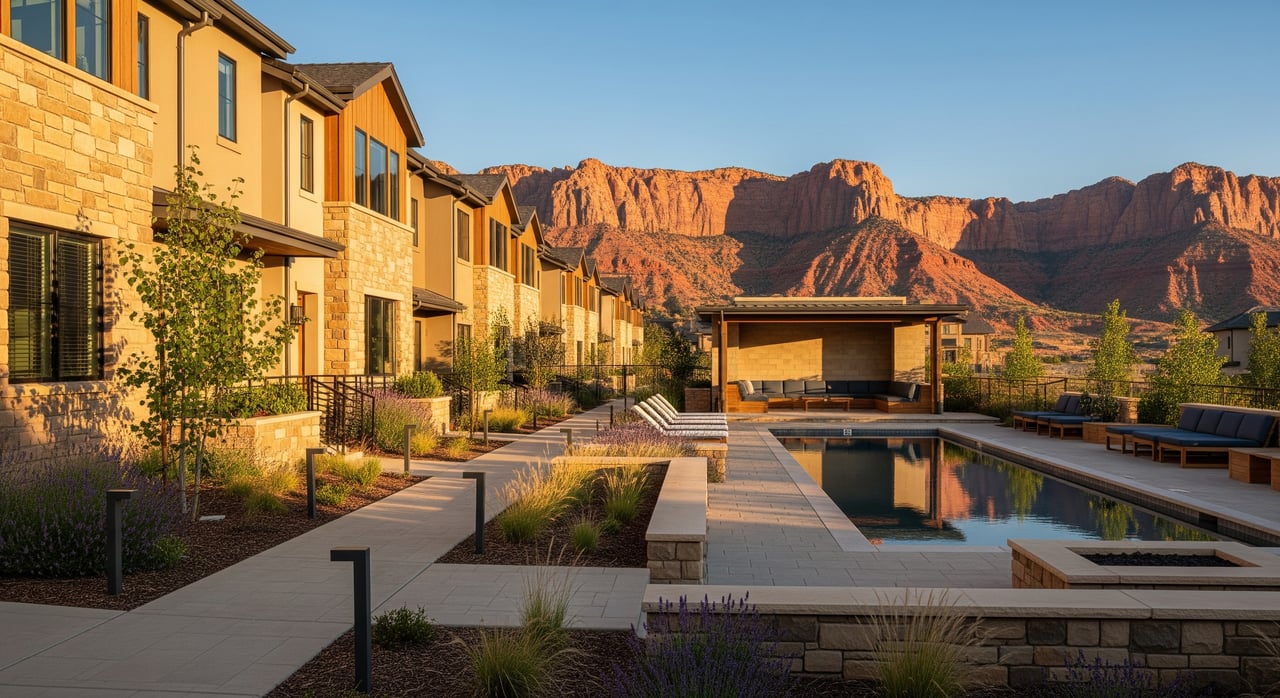
Many HOAs handle common-area mowing, trimming, mulching, and plant care. They often maintain and repair shared irrigation systems. In Southern Utah’s dry climate, you may see xeriscaping standards or water-use rules in place. Ask how drought management affects the irrigation schedule and costs.
Townhome HOAs frequently maintain the building envelope. That often includes roofs, siding, exterior paint, gutters, and shared walls. Some communities also handle decks, balconies, and exterior doors, while others do not. The CC&Rs define the line between common area and unit components, so read those closely.
Dues often fund repairs for sidewalks, private street paving, and community fencing. You may also see maintenance for common drainage features and stormwater systems. Exterior and street lighting in common areas typically sits in the HOA budget.
Where contracted, HOAs may plow private streets and clear common sidewalks and entries. Coverage for private driveways, porches, or steps varies. Confirm exactly which areas are included so you know what to plan for in winter.
HOAs often pay for water used in common landscaping, electricity for street lights, and shared irrigation pumps. Some communities include trash or recycling through a community contract. Utilities for your individual unit are usually in your name and billed to you.
Perimeter treatments and pest control for common structures may be included. Interior treatment is generally your responsibility unless otherwise stated.
Most townhome HOAs carry a master policy that covers common property and the building exterior where the association has responsibility. Policies range from “bare walls/exterior-only” to broader “walls-in” coverage. Pay attention to deductibles, coverage limits, and exclusions. Flood and earthquake are often excluded, and homes near the Virgin River may want to check flood risk separately.
Dues typically cover the property management company’s fees, accounting, billing and collections, and meeting administration. Legal and professional services for routine matters also appear in this category.
A portion of your dues usually funds reserves for long-term repairs. Roofs, paving, and major systems come from this account. Ask when the last reserve study was completed and whether reserve contributions match the study’s recommendations.
If your community has amenities like a pool, clubhouse, playground, or courts, dues pay for their upkeep and utilities. You will also see line items for general maintenance and small repairs throughout the year.
Owner responsibilities depend on the CC&Rs, bylaws, and plat. The list below covers what townhome owners commonly handle. Always verify the exact boundaries and definitions for your community.
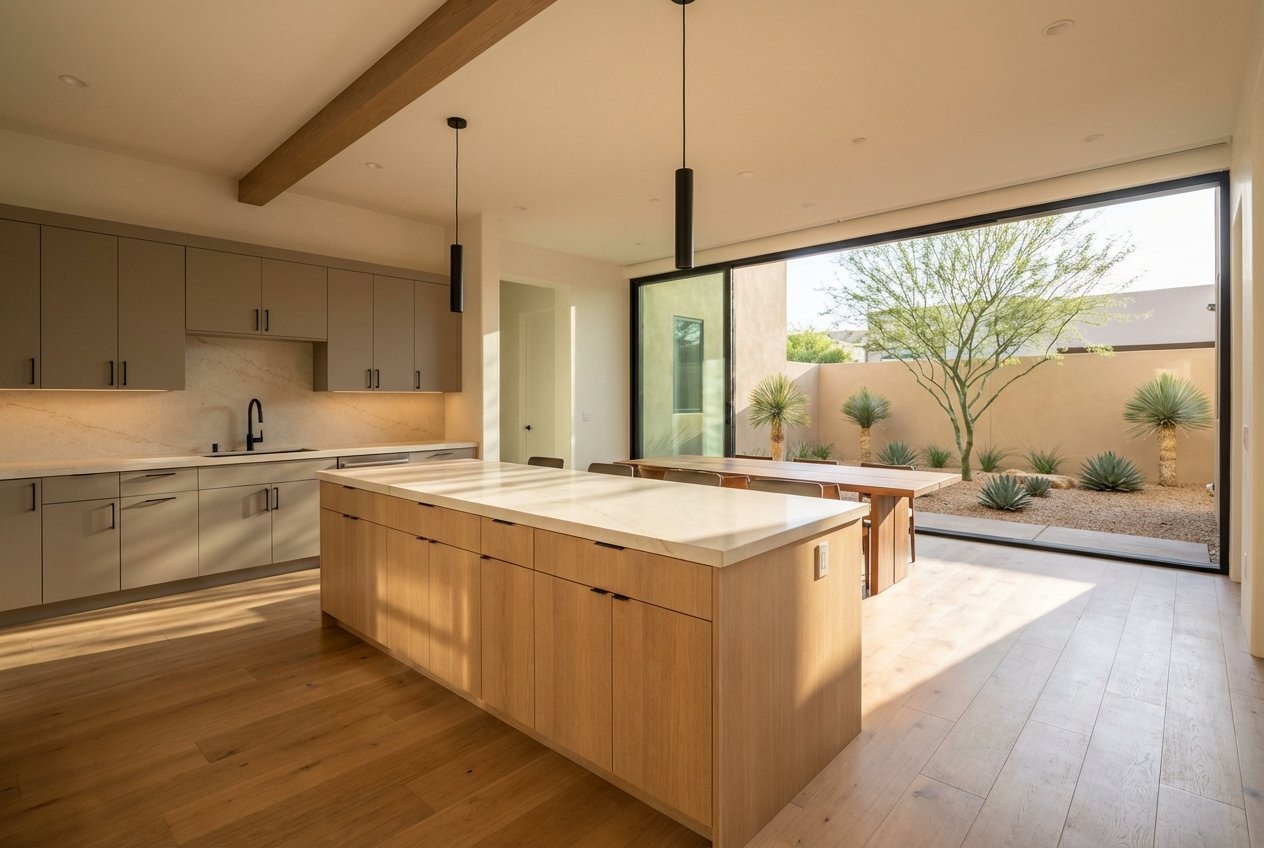
You usually maintain interior finishes and systems, such as appliances, HVAC inside your unit boundaries, plumbing fixtures, walls, and floors. You also pay for your unit’s utilities that are individually metered.
You typically carry an HO-6 policy for personal property, interior finishes (if not covered by the master policy), loss of use, and liability. Adding loss-assessment coverage can help protect you if the HOA issues a special assessment after an insured loss with a large deductible.
Depending on your documents, you may be responsible for elements like balconies, decks, patios, front porches, small yard areas designated to your unit, or driveways serving only your home. These are often called limited common areas.
If your townhome has a private yard or walkway outside of the common maintenance plan, routine care may be on you. The same goes for snow removal on private steps or driveways that are not included in the HOA contract.
Some associations assign items like exterior light fixtures or individual mailboxes to owners. Check the rules for clarity before replacing anything.
You are responsible for property taxes, your mortgage, monthly dues, and any fines or special assessments tied to your unit. Architectural changes and exterior alterations almost always require prior HOA approval. Permits may be needed for some projects.
A strong HOA can support your property value and reduce risk. A weak one can lead to surprise assessments and headaches. Request documents early and read them with care.
Southern Utah’s climate brings hot, dry summers and occasional winter freezes. Water conservation rules and xeriscaping standards can shape landscaping maintenance and irrigation schedules. Some properties near the Virgin River may face floodplain considerations, so it is wise to confirm risk and insurance options if you are near low-lying areas. Wildfire risk mitigation and defensible-space practices may also influence landscaping and exterior rules in hillside or edge-of-town locations.
Municipal and county requirements can affect exterior work. Before altering exteriors, check La Verkin Town and Washington County rules for permits or approvals, along with your HOA’s architectural guidelines. For boundary clarity and parking assignments, review recorded plats and maps with the county recorder. These local checks help you avoid delays and surprise costs.
You deserve clear answers before you commit to an HOA. If you want help reading documents, spotting red flags, and weighing your options in Washington County, reach out to Ciera Huha for friendly, local guidance.
Stay up to date on the latest real estate trends.

Get assistance in determining current property value, crafting a competitive offer, writing and negotiating a contract, and much more. Contact me today.