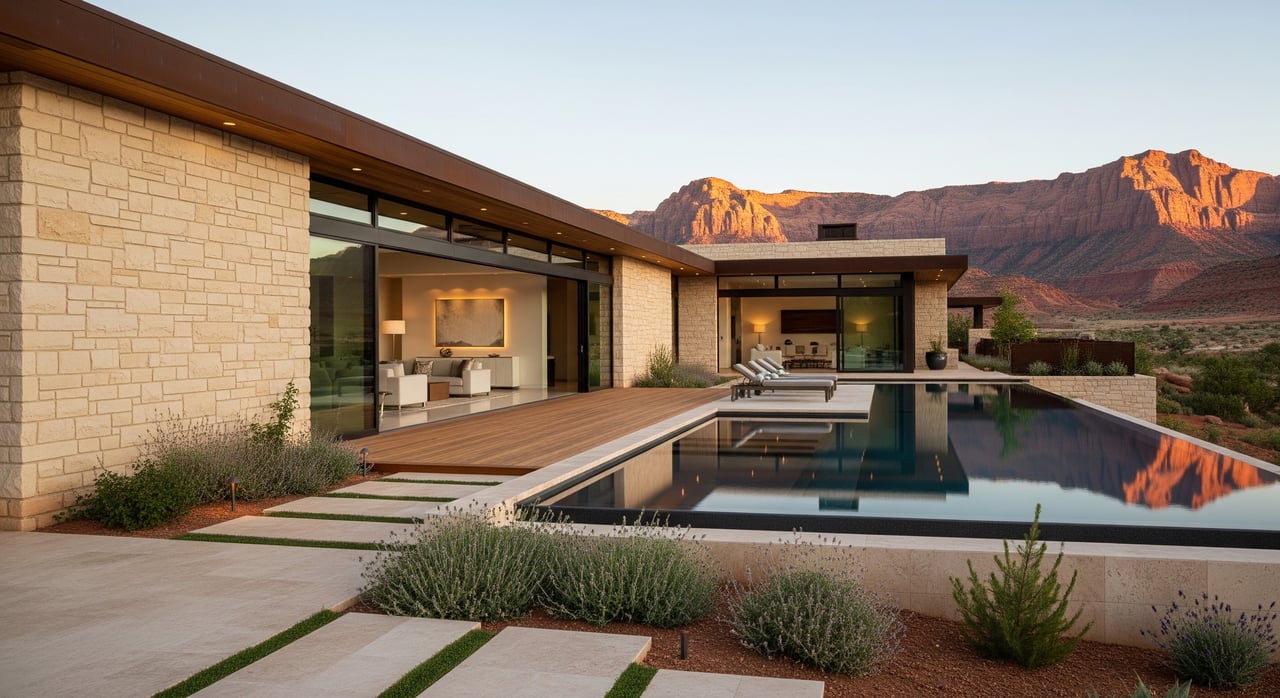
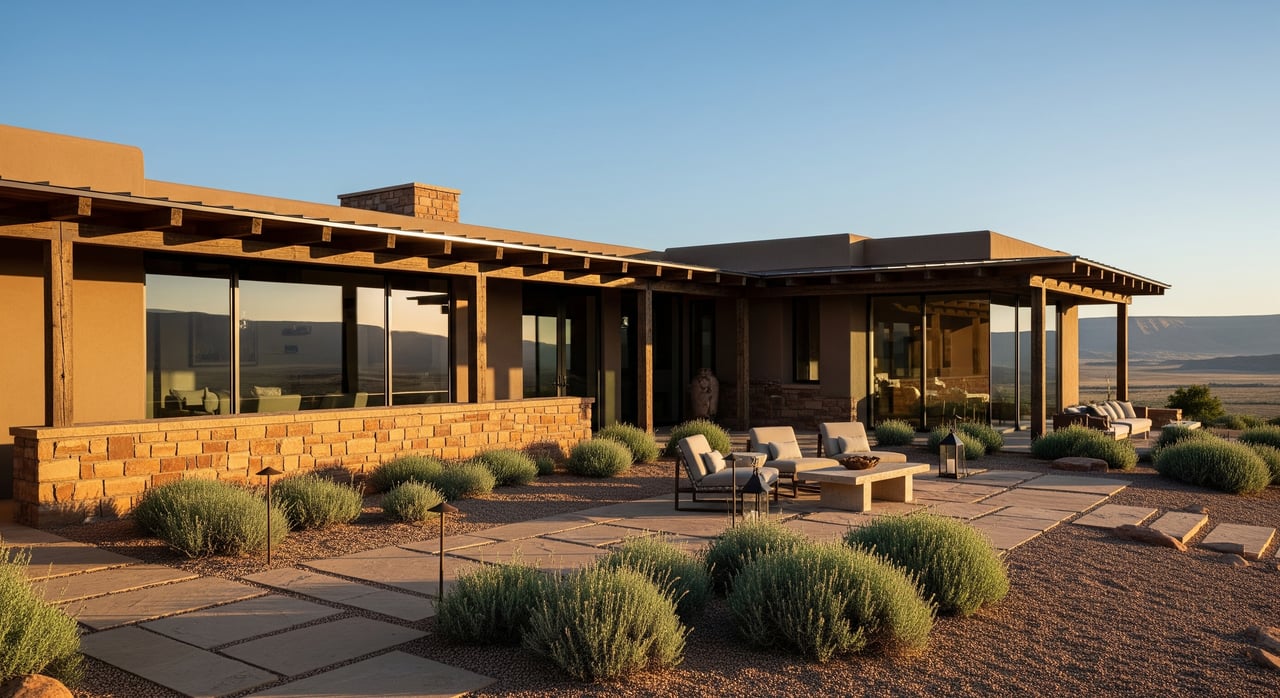
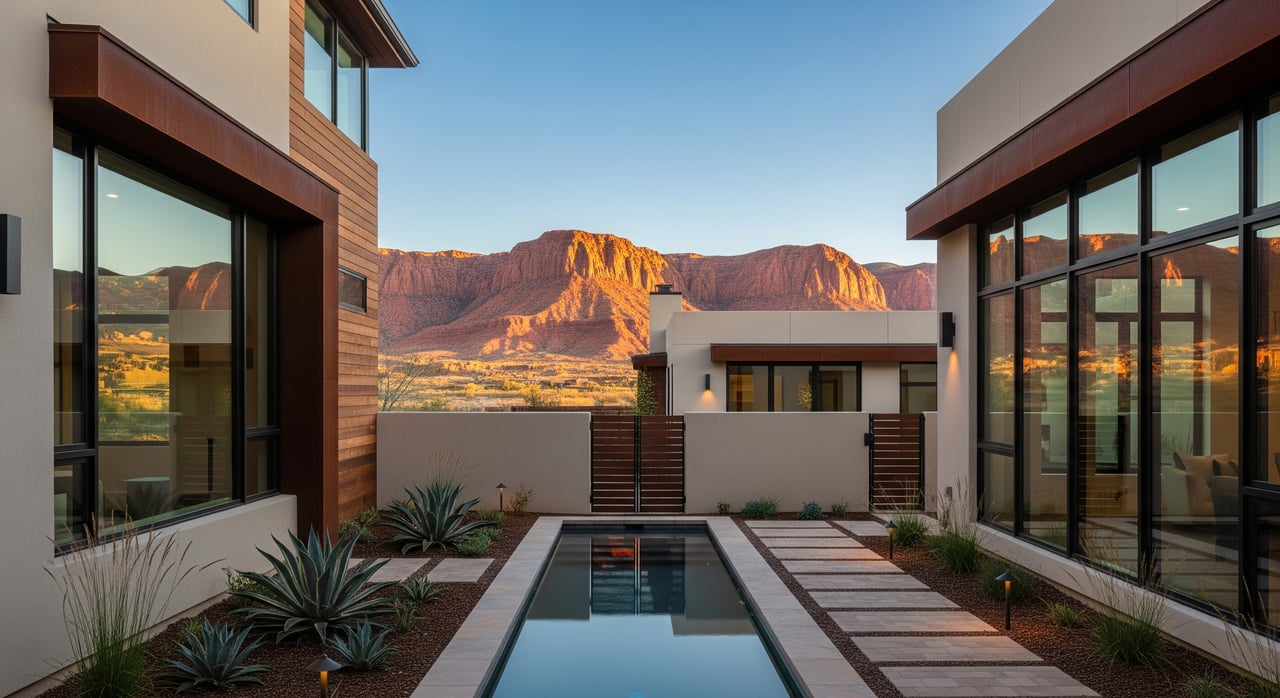
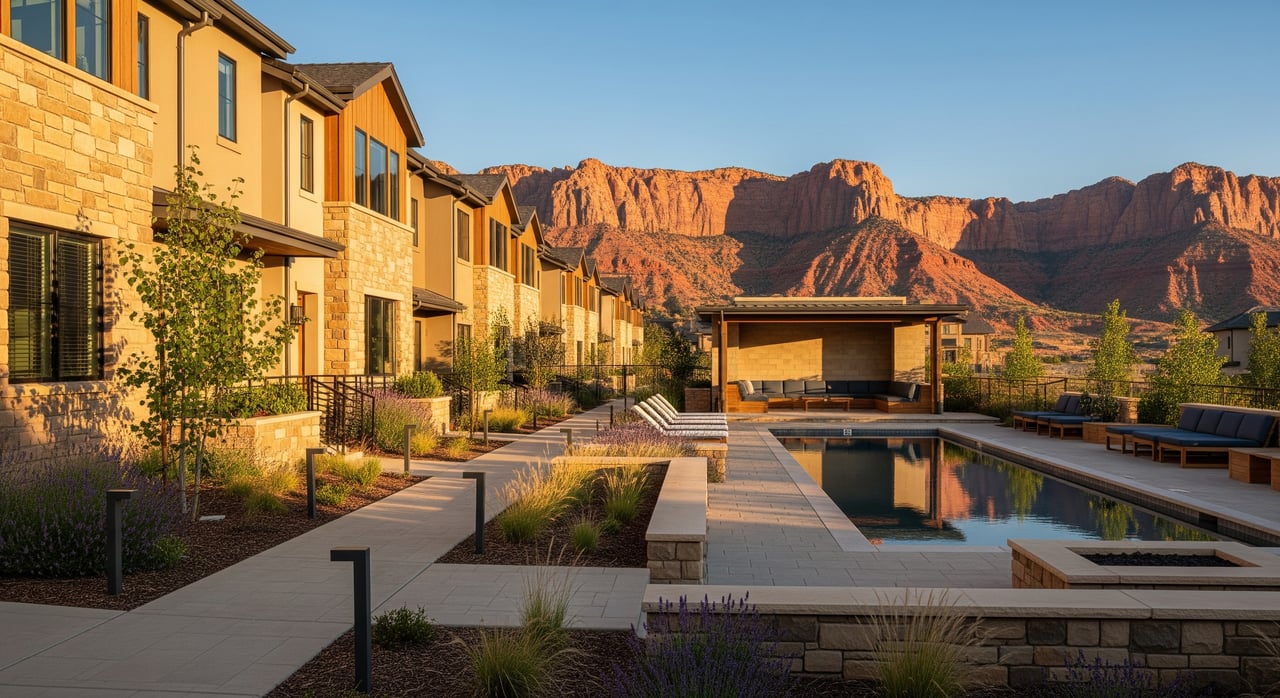
Buying your first home in Hurricane can feel both exciting and overwhelming. You are juggling budgets, neighborhoods, inspections, and a new climate that changes how homes live day to day. This guide walks you through each step with local tips for desert living, new builds, HOAs, and hazard checks so you can buy with confidence. Let’s dive in.
Your 6-step buying roadmap
1) Get pre-approved and set your budget
A full mortgage pre-approval gives you a clear price range and makes your offer stronger. Ask lenders about first-time buyer options that may apply in Utah, including programs offered through the Utah Housing Corporation. Build a complete budget that includes closing costs, potential HOA dues, summer cooling bills, and any new-home landscaping.
2) Define must-haves and location fit
List essentials like bedrooms, yard size, and space for RV or boat parking if you plan to enjoy Sand Hollow. Think about commute routes along State Route 9 and I-15, access to groceries and medical care, and proximity to recreation. If schools are important to you, confirm current boundaries with the Washington County School District.
3) Search and tour smart in the desert
Plan showings in the morning or cooler hours so you can feel how a home handles heat. Note lot orientation, roof shape, and shading, since these affect afternoon sun and potential solar. Ask about HVAC age and capacity, insulation, window type, water source, and whether the property uses city sewer or septic.
4) Write a strong, protected offer
Utah contracts use standard forms that include earnest money, inspection, financing, and appraisal contingencies. In competitive moments, buyers sometimes use escalation clauses or larger earnest money, but every tactic has tradeoffs. Discuss appraisal risks, including possible appraisal gaps, with your agent and lender before you decide on terms.
5) Inspect and verify what matters locally
Order a general home inspection and add pest, roof, HVAC, and sewer or septic inspections as needed. In the Hurricane area, check flood maps through the FEMA Flood Map Service Center and review wildfire considerations with resources from the Utah Geological Survey. Collect seller disclosures, any permit history, and HOA documents if applicable.
6) Close and prepare for move-in
Most financed purchases close in about 30 to 45 days, depending on your loan and title work. Budget for down payment, lender and title fees, and prepaid taxes and insurance. Homeowners insurance is required, and flood insurance is separate and may be required if the property sits in a mapped flood zone. Do a final walkthrough to confirm repairs and condition.
Outdoor-lifestyle features buyers love
Hurricane’s outdoor access shapes what many first-time buyers want. Consider these features as you shop:
- RV or boat parking, or garage depth that fits gear you use at Sand Hollow.
- Low-water landscaping with drip irrigation, plus shade trees or pergolas for afternoon comfort.
- Covered patios and yard orientation that helps with evening heat.
- Roof and lot orientation that could support solar, if that is on your wish list.
- Durable exterior materials that handle sun and wind.
New builds and HOAs: what to know
New-build basics
- Timelines can shift, so confirm key dates in the builder contract and how change orders work.
- Ask for written warranty terms. Builders often include a one-year workmanship warranty and longer coverage for systems or structure through third-party policies.
- Clarify what is included, like fencing, driveway, and front or backyard landscaping. In some communities, you may complete landscaping after closing.
- Schedule a detailed pre-closing walkthrough. Request lien waivers for subcontractors and keep copies of manuals and warranty contacts.
HOA essentials
- HOAs are common in newer subdivisions and planned communities. Rules can cover architectural standards, landscaping, exterior paint, parking, and rental policies.
- Review CC&Rs, bylaws, budgets, reserve studies, meeting minutes, and current assessment amounts before you write an offer.
- Ask about rental rules, pet policies, and whether any special assessments are planned.
- If you hope to do short-term rentals, verify city rules and HOA restrictions first. Start with the City of Hurricane for current ordinances, then confirm community rules in the HOA documents.
Seasonal touring tips
- Tour in the morning or evening to evaluate cooling and outdoor comfort.
- Step outside during busier hours to check road noise near State Route 9 or high-activity recreation areas.
- Look for sun exposure on west-facing rooms and patios, and note existing shade.
- Ask the inspector to review attic insulation, duct sealing, and A/C performance during a heat wave if possible.
Hazards to check before you buy
- Flood risk: Review FEMA maps and ask about local drainage or wash corridors. Even homes outside mapped zones can experience flash flooding in intense storms. Start with the FEMA Flood Map Service Center.
- Wildfire and defensible space: In areas near brush or open land, review defensible space measures and insurance considerations. Explore resources from the Utah Geological Survey.
- Soil and foundation: In desert valleys, expansive soils or deep sands can affect foundation performance. Have your inspector evaluate grading, drainage, and any signs of settlement.
- Utilities and water rights: Confirm city water versus well and whether any irrigation shares or assessments convey with the property. Title and public records through the Washington County offices can help you verify easements and recorded documents.
Quick buyer checklist
Before you look:
- Get mortgage pre-approval.
- List must-haves, such as bedrooms, yard size, and RV or boat space.
- Set a realistic budget, including closing costs, expected utilities, and HOA dues if applicable.
While touring:
- Check HVAC age, condition, and A/C performance.
- Note lot orientation, shade, and landscaping water needs.
- Look for signs of water intrusion, foundation cracks, or uneven floors.
- Ask about water source, sewer or septic, and any irrigation shares.
Before you write an offer:
- Review HOA CC&Rs and the budget if the home is in an association.
- Decide on earnest money and your inspection timeframe.
- Talk with your lender about appraisal risks and your reserves for gaps.
During inspections and escrow:
- Order a general inspection, plus pest, roof, HVAC, and any needed septic or well testing.
- Request seller repair receipts and permit history.
- Verify flood zone, wildfire risk, and utility hookups.
At closing:
- Confirm what items stay or go in writing.
- Obtain proof of homeowners insurance and title insurance.
- Do a final walkthrough to confirm agreed repairs and overall condition.
Create your saved search in My Search Portal
Stay ahead of new listings by setting filters for price, beds, HOA or no HOA, lot size, RV parking, and year built. Create a saved search and get instant alerts in My Search Portal through Ciera Huha. A typical first-time buyer filter might be single-family, 3 or more bedrooms, space for RV or boat parking, within your budget.
Smart questions to ask
- To the seller or listing agent: How old are the HVAC and roof, and have there been drainage issues or prior flooding?
- To the builder: What warranties are included, what is in the base price versus upgrades, and who completes landscaping and irrigation?
- To the HOA: What are the current dues, are any special assessments pending, and are short-term rentals allowed?
- To the lender: What first-time buyer programs might fit a Hurricane purchase, and how do appraisal gaps get handled?
Where to verify details
Buying your first home in Hurricane is a chance to put down roots close to the recreation you love. With a clear plan, local due diligence, and the right guidance, you can move from browsing to keys in hand smoothly. If you want a local partner to help you map the process, set up your search, and negotiate with confidence, reach out to Ciera Huha.
FAQs
How does Hurricane compare in price to St. George?
- Market numbers change often. For a current picture, review recent MLS or association reports and compare active listings in both cities with your agent.
Are HOAs common in Hurricane, and what do they regulate?
- Many newer subdivisions have HOAs that manage exterior standards, landscaping, parking, and rental rules. Always read the CC&Rs, bylaws, budgets, and meeting minutes before you offer.
Can I use a Hurricane home as a short-term rental?
- It depends on both city ordinances and HOA rules. Check the City of Hurricane regulations and confirm whether the community allows short-term rentals.
Do I need flood or wildfire insurance in Hurricane?
- Homeowners insurance is separate from flood insurance. If the home is in a mapped flood zone, a lender may require flood coverage. Wildfire risk can influence premiums, so discuss coverage with your insurer.
What if I want RV parking, a shop, or solar panels?
- Setbacks, lot coverage, permits, and HOA rules can affect these plans. Verify city requirements and HOA guidelines before you commit.