March 26, 2026
Dreaming of a single-family home near Zion without resort-style dues or dense traffic? La Verkin could be your sweet spot. You get small-town feel, easy access to Hurricane and St. George, and a range of lot sizes that fit everyday life. In this guide, you’ll learn how La Verkin’s lots, utilities, HOAs, and rules work, plus a practical touring checklist so you can shop with confidence. Let’s dive in.
La Verkin sits at the junction of SR‑9 and SR‑17, just a short drive to Hurricane and about 20–25 miles from St. George. The city serves as a gateway to Zion and continues to plan for measured growth, as outlined in the La Verkin City master plan. The setting delivers broad desert views, quick access to trails and parks, and a calmer pace than larger master-planned areas.
Many buyers choose La Verkin for single-family homes on traditional lots, often with fewer HOA restrictions than nearby resort-style communities. Pricing trends shift month to month, so it’s best to check live numbers before you write an offer. If you value space, flexibility, and proximity to outdoor life, La Verkin is worth a close look.
La Verkin’s single-family zoning typically means real yard space. Common districts include R‑1‑8, R‑1‑10, and R‑1‑14, which set minimum lots from 8,000 to 14,000 square feet, along with R‑A‑1 for half-acre parcels. You can confirm zoning and minimums on the La Verkin Building & Zoning page. In town, you’ll often see lots around 0.18–0.32 acres, with larger options on the outskirts.
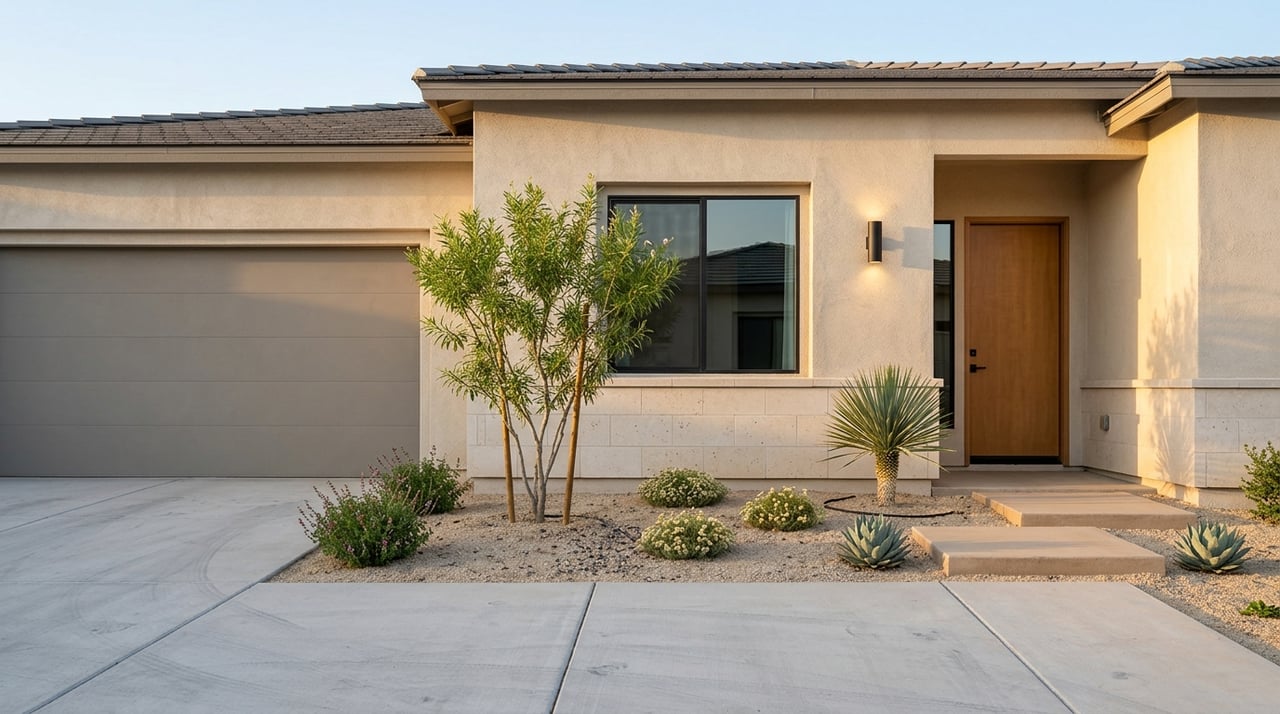
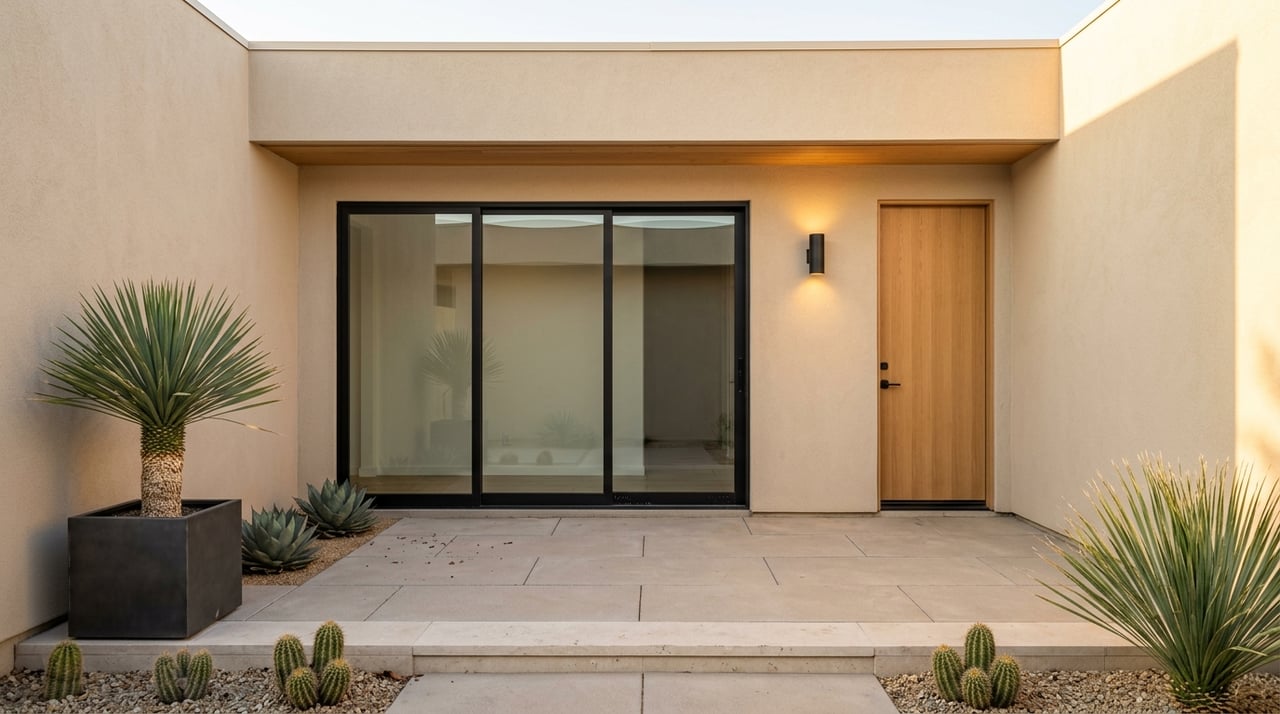
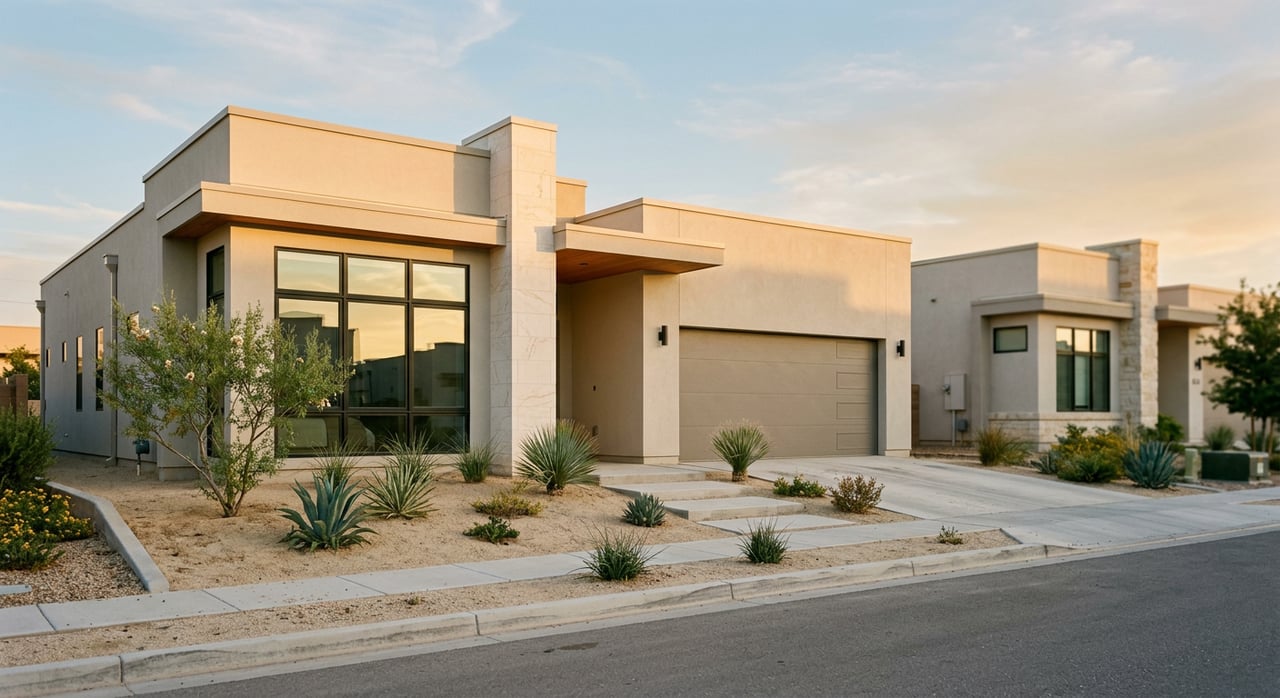
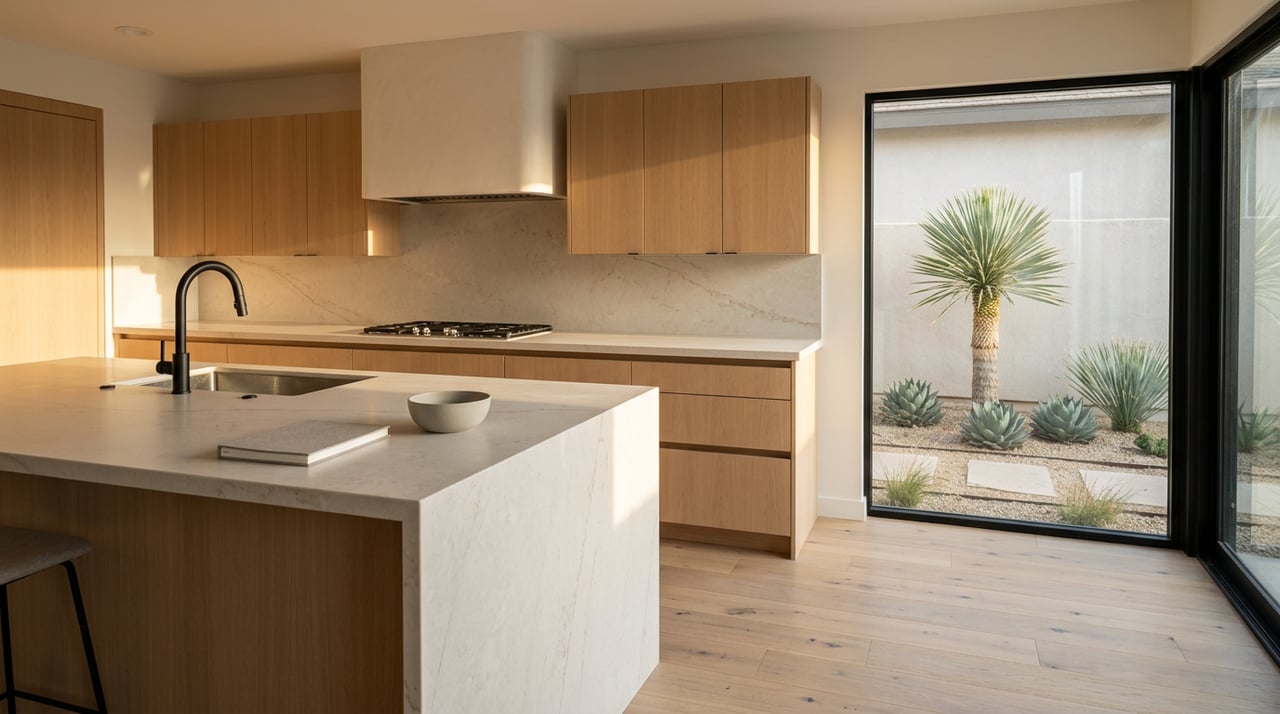
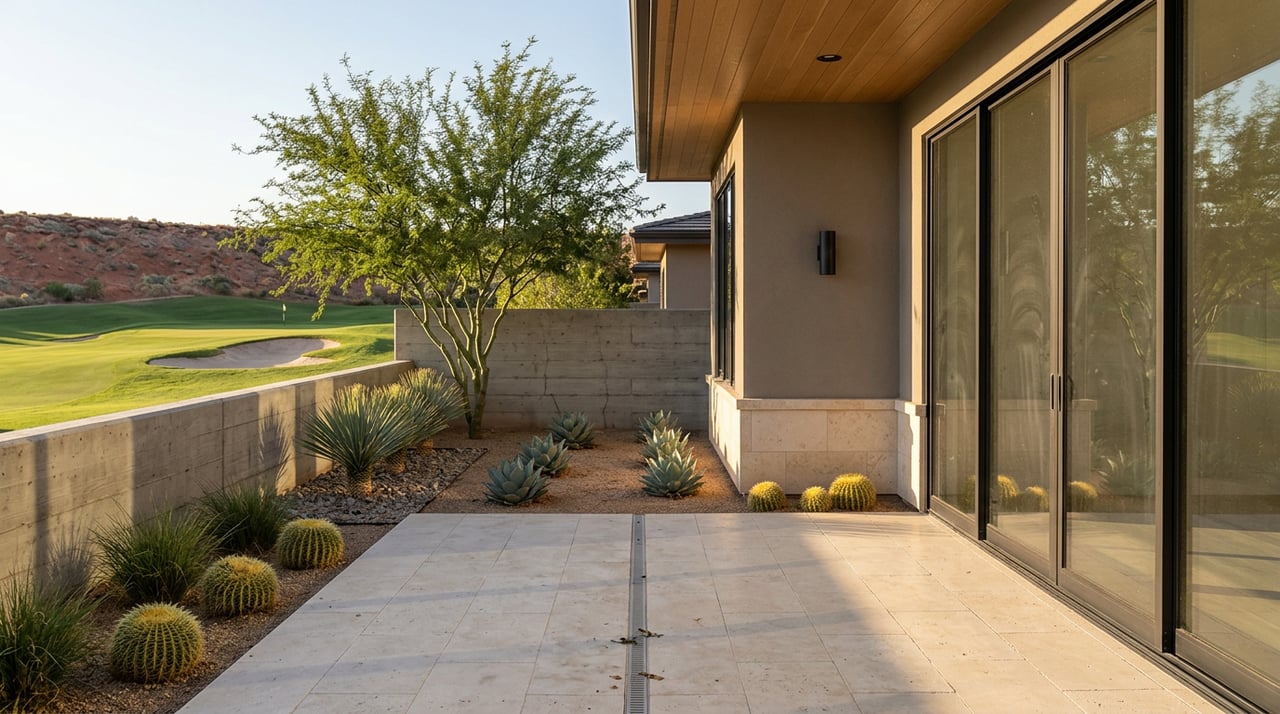
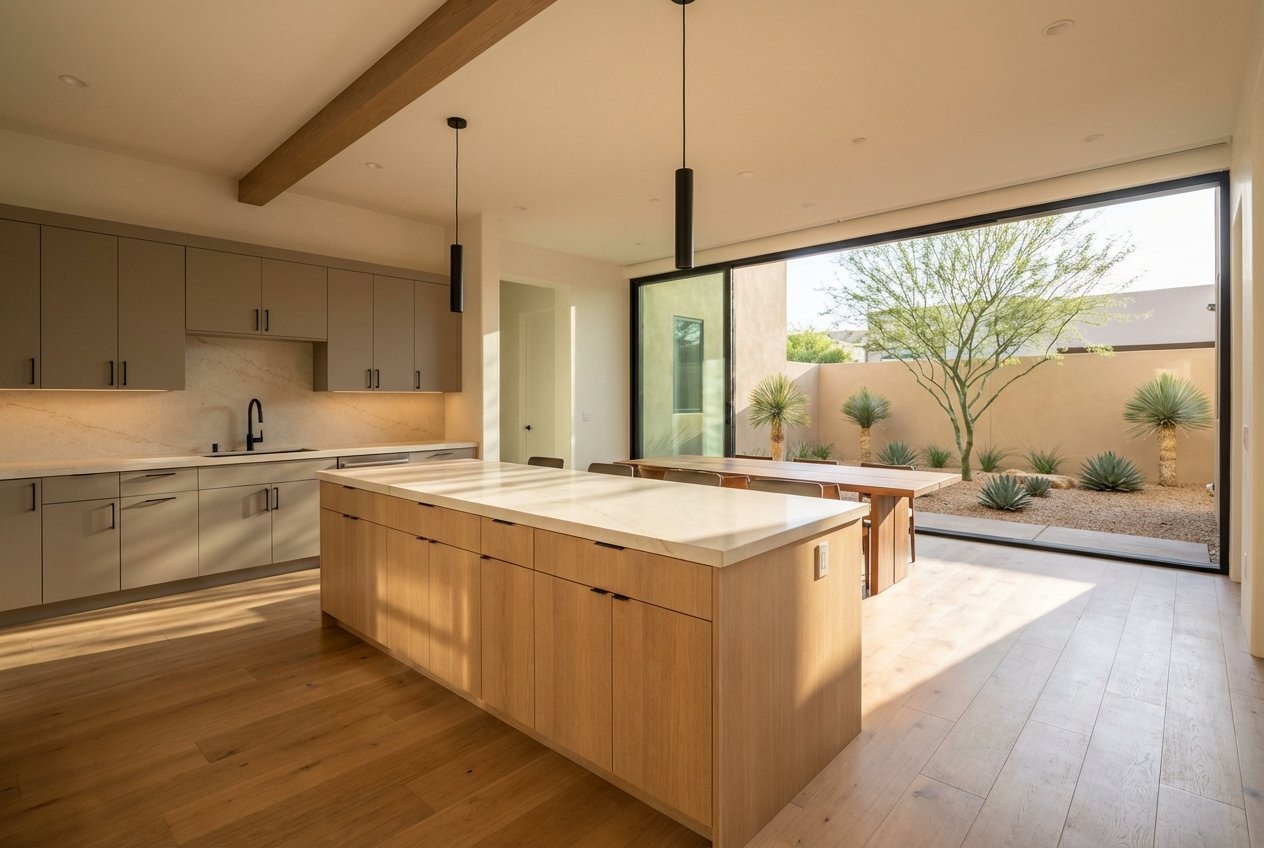
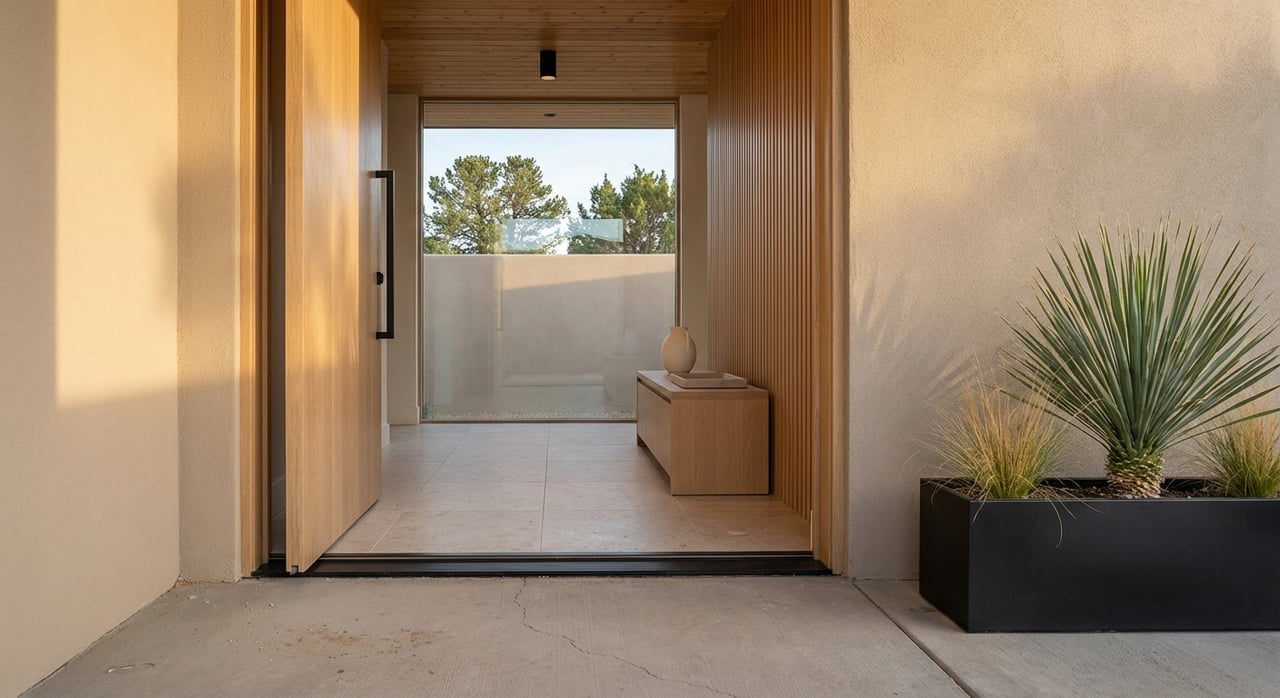
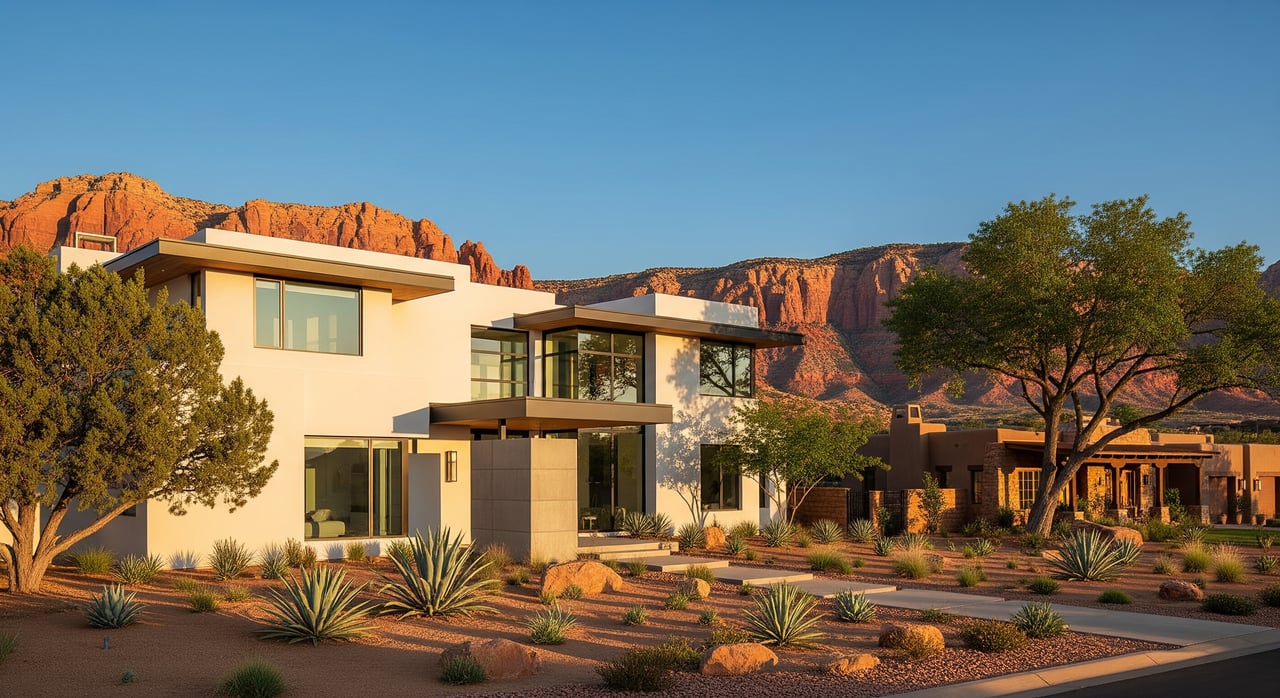
You’ll find a mix of 1980s–2000s homes alongside newer builds from the 2010s–2020s. Many homes feature stucco exteriors, tile roofs, and single-story ranch or modern ranch plans. Newer floor plans often lean open-concept with energy-efficient systems. Yard design commonly reflects desert landscaping, and on larger lots you may see room for RVs or outbuildings.
Understanding local utilities in advance helps you avoid surprises on move-in day.
La Verkin operates a municipal culinary water system and publishes an annual Consumer Confidence Report. Review the latest Drinking Water Quality Report and confirm by address whether a property is on city water and if pressurized irrigation is available. Many in-town homes connect to public sewer, while rural parcels may use septic. Always verify sewer vs septic with the city or county records and request any well or septic documentation if applicable. Growth and supply planning are detailed in the city’s Culinary Water Master Plan.
Electric service in the valley is commonly provided by Rocky Mountain Power. When you’re under contract, verify your provider and any interconnection details if the home has solar by reviewing Rocky Mountain Power service requirements. For natural gas, many Washington County addresses are served by Dominion Energy, though some rural properties use propane or have no gas line. Get a quick overview and then confirm service by address using the utility’s tools referenced in this Hurricane Valley relocation guide.
Broadband options vary by street. In the Hurricane–La Verkin area, options may include InfoWest, Spectrum, TDS, and satellite providers. Because coverage is address-specific, use provider tools or a consolidated lookup like this list of Hurricane-area internet providers to check speeds for remote work or streaming.
Trash collection is handled by La Verkin City or the county’s contracted haulers, depending on your subdivision. Ask the seller or city which provider serves your address, how to register for bins, and what the pickup schedule looks like.
La Verkin is served for fire and EMS by the Hurricane Valley Fire District, which maintains a local station presence. For emergency and specialty care, the nearest full-service hospital is St. George Regional Hospital. La Verkin also has a local police department.
Elementary students in the city typically attend La Verkin Elementary, within the Washington County School District. Middle and high school assignments commonly feed into Hurricane schools, but you should always verify exact boundaries for your specific address with the district.
A key draw for La Verkin is the prevalence of single-family neighborhoods with little or no HOA. That often means more flexibility for exterior changes, parking, and pets. It can also mean fewer shared amenities and that you handle your own yard maintenance.
By contrast, many newer master-planned communities in Hurricane and St. George include HOAs with varied fees tied to amenities. If you are considering a property with an HOA, request the CC&Rs, budget, reserve study, and recent meeting minutes early in your due diligence.
La Verkin defines and limits where vacation rentals are allowed. Short-term rental activity is restricted to certain zones, and permits or local rules may apply. If you are evaluating STR potential, review the La Verkin short-term rental code overview and confirm with the city whether a property is eligible or holds a grandfathered permit.
The city sits near the Virgin River and local creeks, and some areas may fall within mapped flood zones. Ask the seller for any flood certificates or insurance history, confirm drainage and elevation, and review FEMA maps during due diligence. The city’s planning documents discuss watershed and drainage context, which you can explore in the La Verkin City master plan.
Use this quick reference to evaluate homes like a local.
Buying in a small city means the details matter. A local advocate can help you verify water and sewer connections, confirm utility providers, review zoning and CC&Rs, and coordinate inspections. You also get context on neighborhood streets, traffic patterns, and property history so you can write a confident offer. If you are considering rental use, your agent will help you navigate the city’s short-term rules and timing for permits.
Ready to compare La Verkin homes, lot sizes, and HOA differences with nearby areas? Reach out to Ciera Huha for a no-pressure consult and a personalized search plan tailored to Southern Utah.
Stay up to date on the latest real estate trends.
Get assistance in determining current property value, crafting a competitive offer, writing and negotiating a contract, and much more. Contact me today.