
May 7, 2026
Selling a home in Hurricane is not just about putting it on the market and hoping buyers connect. In a city that is growing quickly, with a mostly owner-occupied housing base and a buyer's market environment, thoughtful staging can help your home feel move-in ready, easy to understand, and easier to choose. If you want buyers to see both the home and the lifestyle it offers, a smart staging plan can make a real difference. Let’s dive in.
Hurricane has been growing fast. Census QuickFacts estimates the city’s 2024 population at 24,753, up 23.5% from 2020, with a 74.7% owner-occupied rate and a median owner-occupied home value of $456,000.
That matters because many buyers here are looking for a home they can picture themselves living in right away. In March 2026, Realtor.com classified Hurricane as a buyer’s market, with a median 62 days on market and homes selling for about asking price on average. In a market like that, staging is less about making a home look fancy and more about making it feel complete, clean, and simple to say yes to.
Good staging helps buyers visualize how a home lives. According to the 2025 Profile of Home Staging, 83% of buyers’ agents said staging makes it easier for buyers to picture a property as their future home.
That same report also shows that listing presentation matters across media. Buyers’ agents rated photos as important 73% of the time, physical staging 57%, videos 48%, and virtual tours 43%. Physical staging still carried more weight than virtual staging, which 38% of buyers’ agents rated as less important.
For you as a seller, that means staging is not just about in-person showings. It shapes the photos, video, and first impression buyers get before they ever walk through the door.
Not every space needs the same level of attention. The most important rooms to stage, according to the 2025 survey, were the living room, primary bedroom, and kitchen.
That lines up with how buyers usually shop. They want to understand where they will gather, rest, and spend everyday time. If those spaces feel open, bright, and easy to use, your whole home tends to feel stronger.
The living room was rated the most important room to stage by 37% of buyers’ agents. It is often the visual center of the home and one of the first spaces buyers see in listing photos.
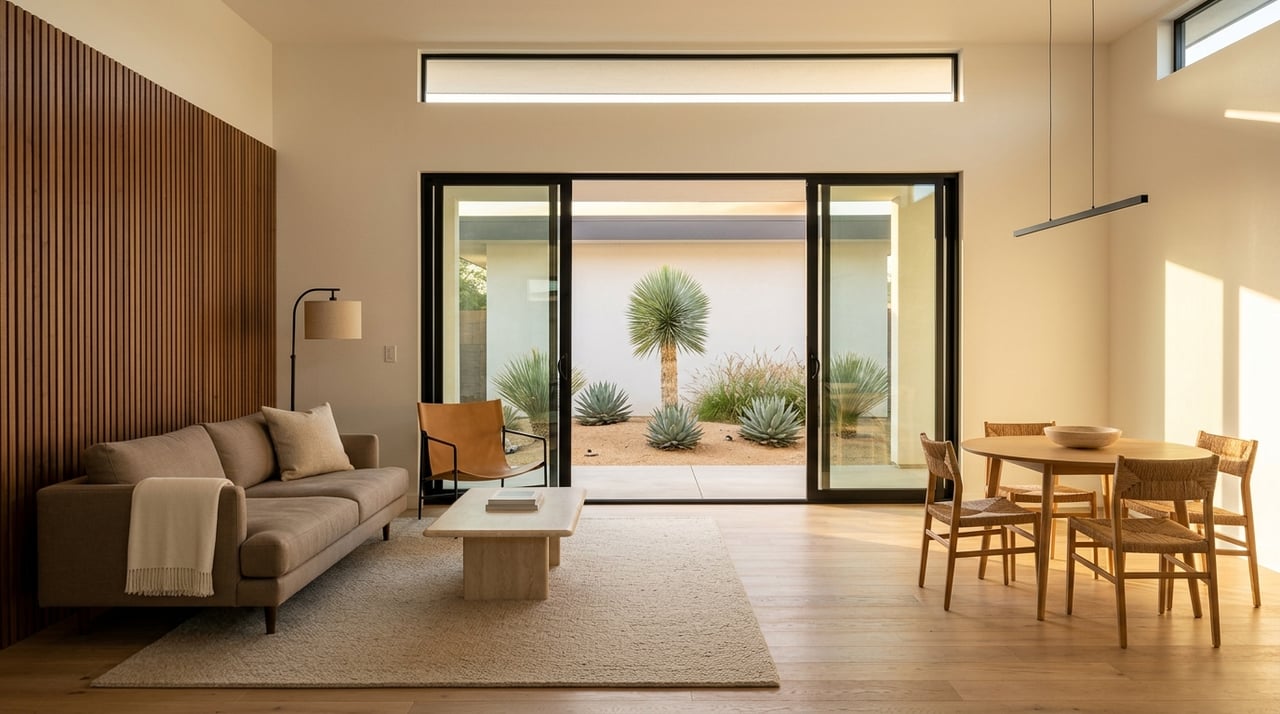
In Hurricane, a thoughtful living room stage should feel calm, open, and connected to the rest of the home. Clean lines, light editing of furniture, and clear walking paths help buyers focus on the size, light, and layout instead of your belongings.
The primary bedroom ranked just behind the living room, with 34% of buyers’ agents calling it the most important room to stage. Buyers want this space to feel restful and functional.
That usually means less furniture, tidy surfaces, neutral bedding, and enough room to move comfortably. A bedroom that feels peaceful can help buyers imagine unwinding there at the end of the day.
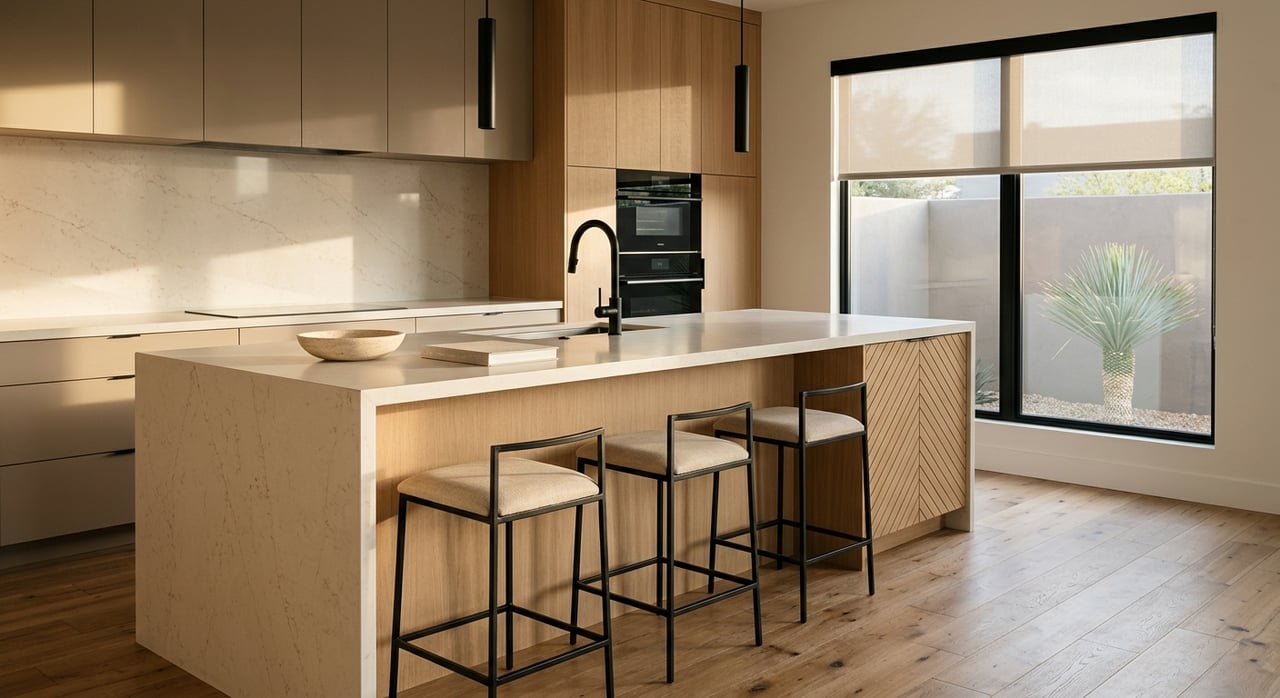
The kitchen was the third most important room, at 23%. It does not need to look overdesigned. It needs to look clean, well cared for, and ready for daily life.
Clear counters, fresh cleaning, and a few simple accents can go a long way. In most cases, buyers respond best when they can easily see prep space, storage, and traffic flow.
In Hurricane, staging should go beyond the interior. The local setting is closely tied to outdoor recreation, with nearby access to places like Sand Hollow State Park and regional travel connections around Zion.
That makes outdoor living feel like part of the home’s value. Buyers may be thinking about patios, front entries, yard areas, and storage in a more practical way than they would in other markets.
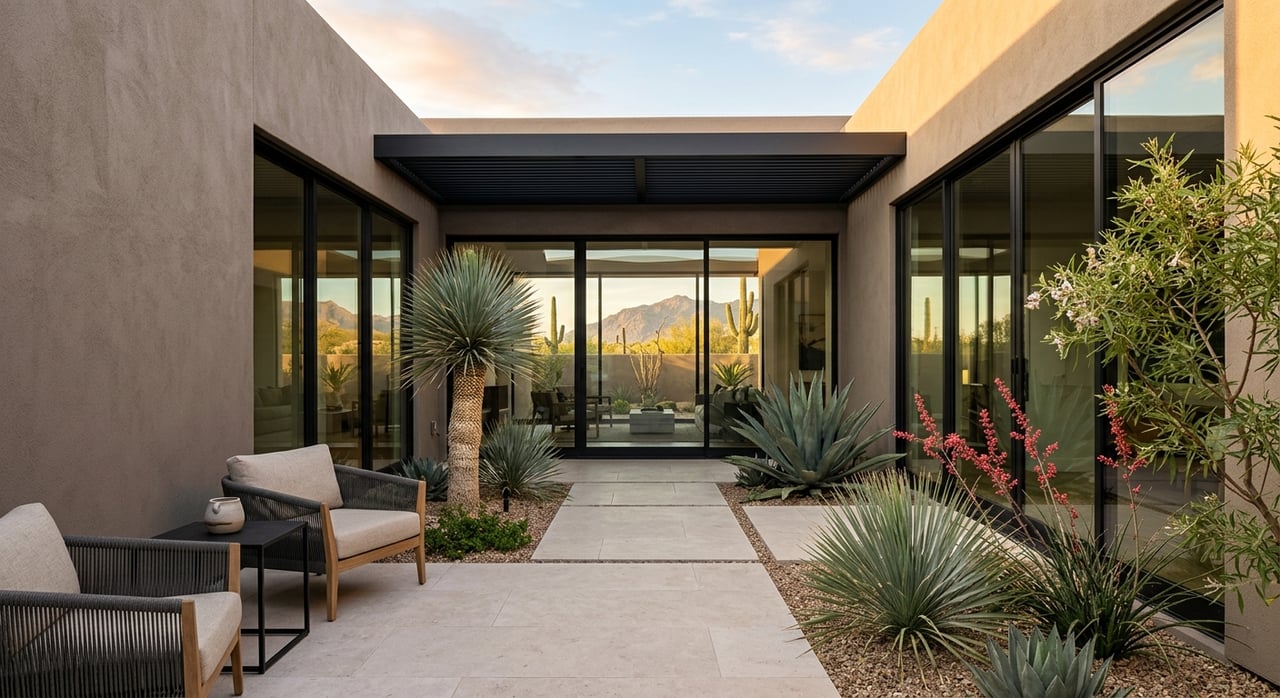
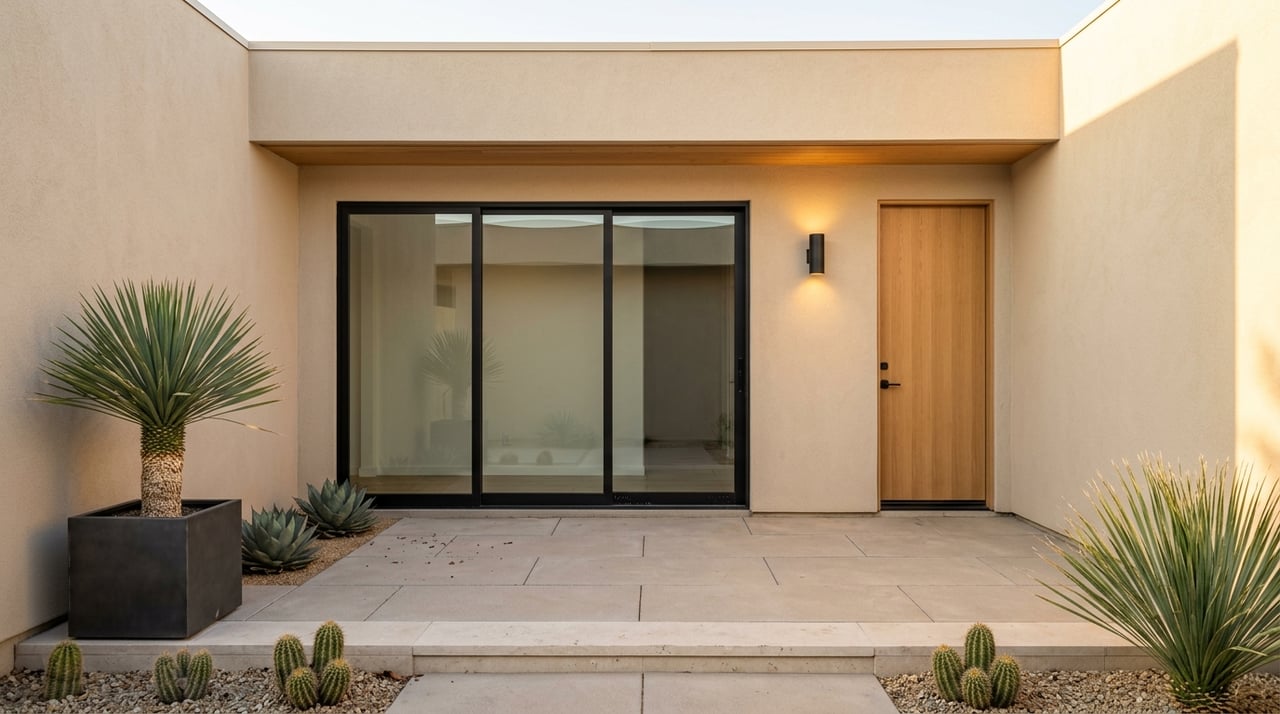
If you have a patio, covered seating area, or inviting front entry, those spaces deserve attention before photos are taken. Even a simple setup can help define how the space is used.
The goal is not to overcrowd the area. It is to help buyers see that the home supports everyday indoor-outdoor living in a clean, intentional way.
Because the area is known for recreation and outdoor access, buyers may pay attention to how a home handles gear, shoes, and everyday transitions in and out of the house. Mudroom-style spaces, garages, drop zones, and organized storage can all support the story your home tells.
If these spaces are cluttered, they can feel smaller and less useful. If they are neat and easy to understand, they can add to the home’s practicality.
Hurricane’s climate should influence how you prepare both indoor and outdoor spaces. Zion National Park notes that summer daytime temperatures exceed 100°F, late-summer monsoons can raise flash-flood risk, and winter daytime temperatures usually range from 30°F to 60°F.
That does not mean your home needs a special theme. It means your staging choices should feel durable, low-stress, and appropriate for the setting.
Outdoor furniture and decor should look clean and well maintained. Avoid anything sun-faded, storm-damaged, or too delicate for the local climate.
Shade-friendly seating areas, tidy hardscaping, and simple styling tend to work better than overly decorated outdoor setups. Buyers should feel that the exterior is attractive without looking high-maintenance.
Curb appeal matters. In the staging survey, 77% of sellers’ agents recommended improving curb appeal as part of getting a home ready.
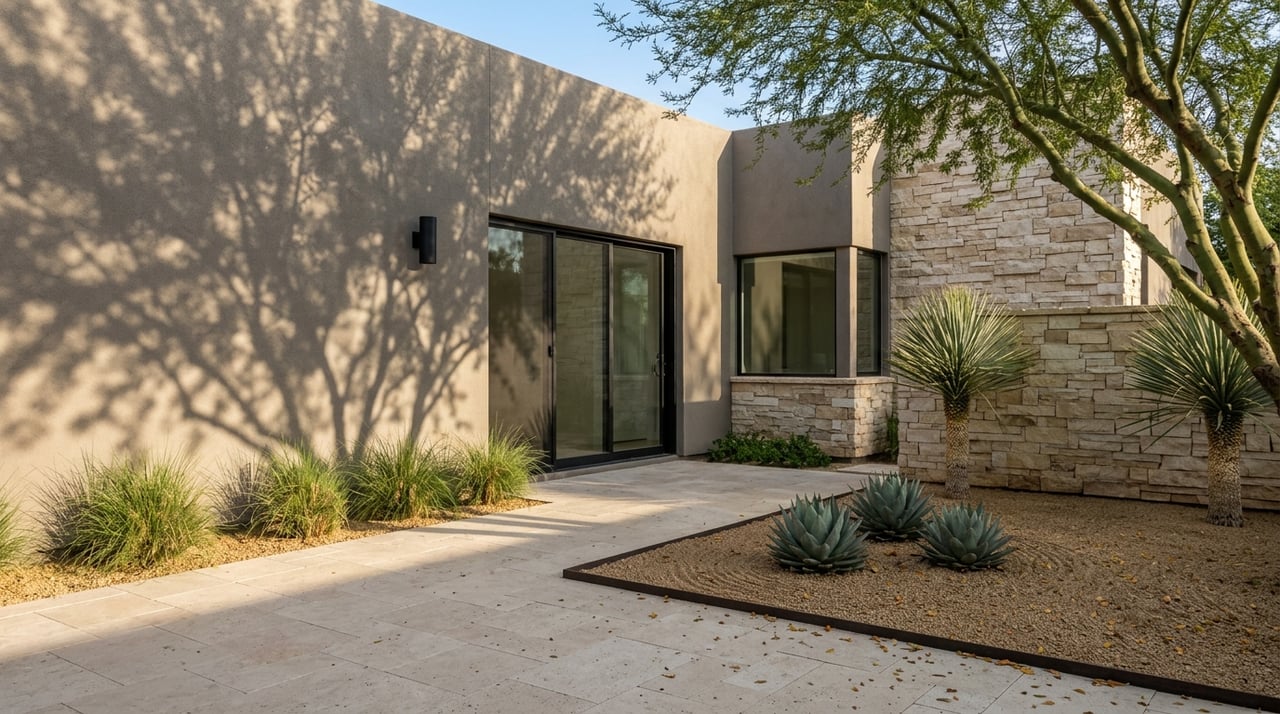
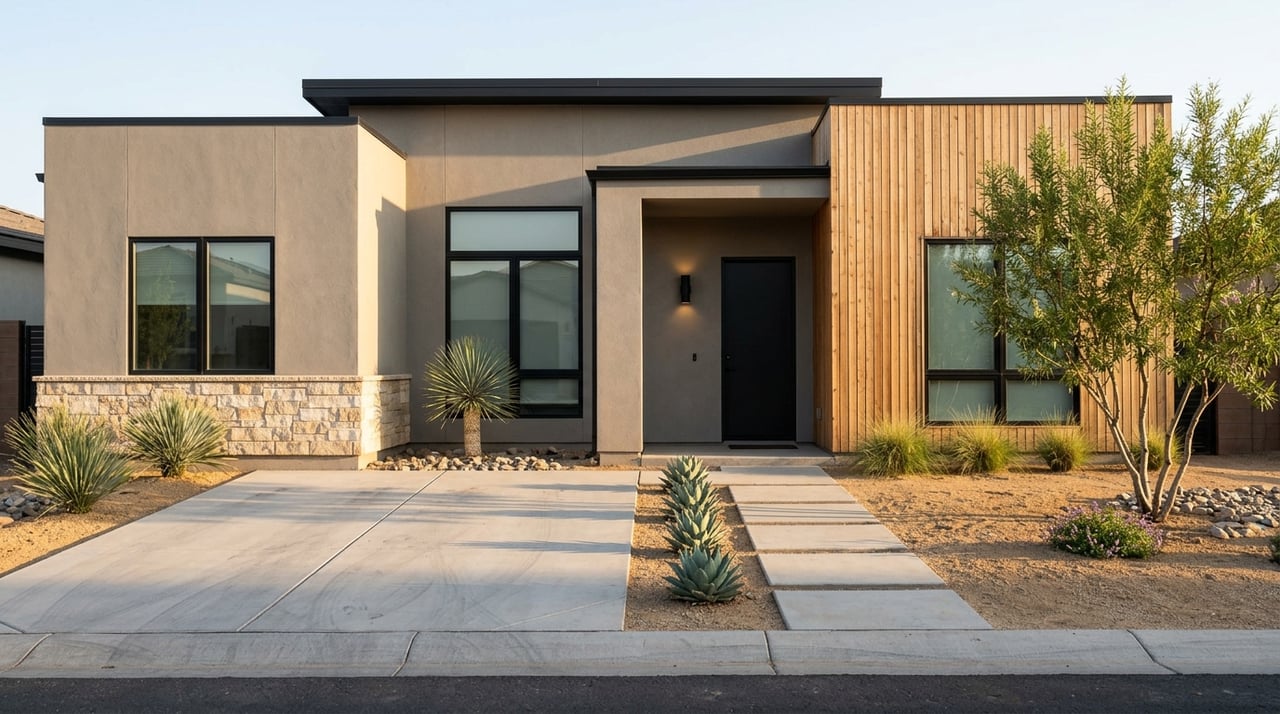
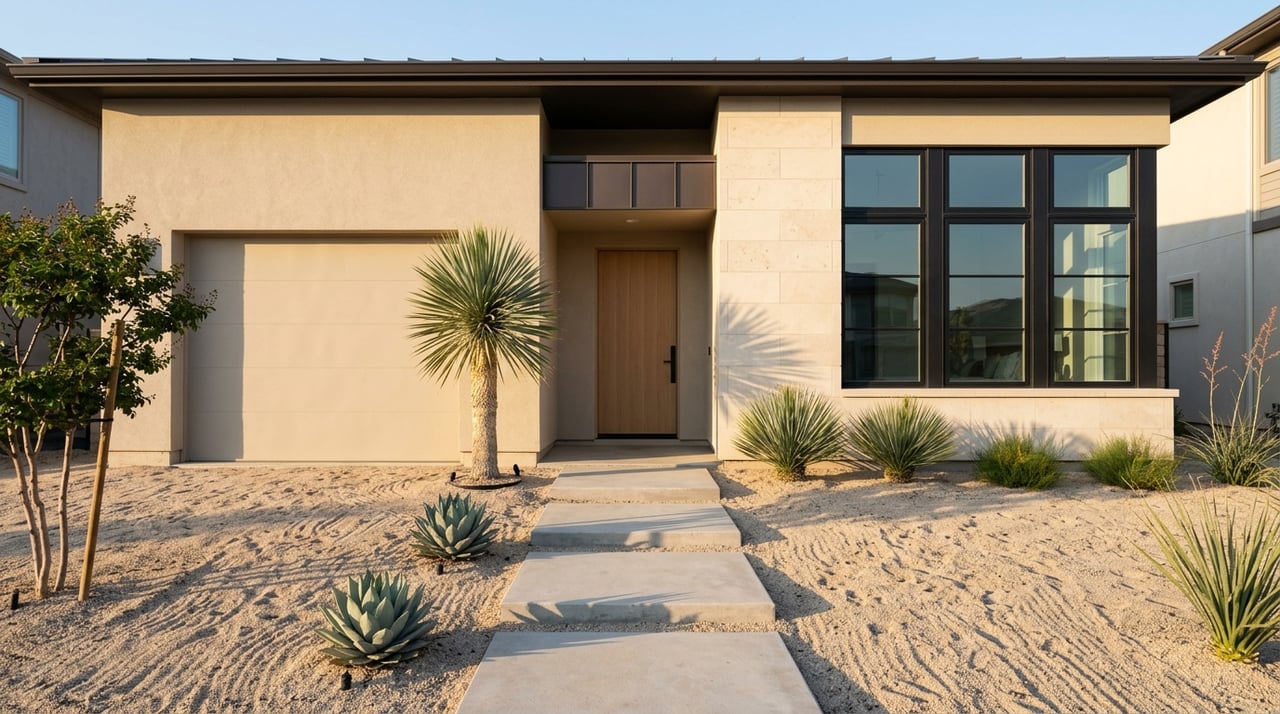
That does not mean a major overhaul. It usually means trimming back what looks messy, cleaning up the entry, and making sure the front approach feels orderly and cared for.
One of the biggest myths sellers hear is that every home needs to be fully staged from top to bottom. In reality, many successful prep plans are more selective.
The 2025 survey found that 51% of sellers’ agents did not stage homes but instead recommended decluttering or fixing property faults. That makes partial staging a very reasonable option if your budget or timeline is tighter.
The most common prep recommendations from agents were:
Those basics matter because they support every other part of the listing process. If a home is cluttered or dirty, even strong furniture and decor will not have the same effect.
If you are deciding where to focus, prioritize the spaces that will show up most often in photos and showings. For many Hurricane homes, that means:
This kind of targeted plan can still create a polished, market-ready result.
A thoughtful staging process works best when it happens in the right order. Based on the research, the strongest sequence is to prepare the home first, then stage it, then photograph it.
If you wait to stage until after the listing is live, you risk missing the most important first impression. Since buyers place high importance on photos, your home should be fully ready before the camera arrives.
Start with a room-by-room review. This helps you identify what needs to be removed, cleaned, repaired, or styled before the listing goes live.
A local agent can also help you decide whether your home needs full staging, partial staging, or a prep-only plan.
Before any decor comes in, handle the basics. Remove excess items, deep clean the home, and take care of small issues that can distract buyers.
This stage creates the clean foundation that good staging needs.
Once the home is cleaned and simplified, stage the spaces that matter most. Focus especially on the rooms and outdoor areas that will appear in marketing.
Keep the look warm, neutral, and easy to understand. Buyers should notice the home itself, not a lot of accessories.
Photos and video should happen only after the home is fully staged. The research is clear that media matters, and your listing images will often shape whether a buyer decides to schedule a showing.
This is where thoughtful staging pays off beyond the front door.
After the listing goes live, keep the home as consistent as possible. Quick daily resets, clear counters, and clean floors help protect the impression buyers saw online.
Consistency matters because each showing is another first impression.
Your staging budget should be discussed early. According to the 2025 NAR survey, the median spend was $1,500 when sellers used a staging service and $500 when the agent personally staged the home.
That range creates flexibility. Depending on your property, goals, and timeline, you may choose:
The right choice depends on what will help your home show best in today’s Hurricane market. A thoughtful plan is usually more effective than spending blindly.
Staging is never one-size-fits-all. What works in one market may not be the best approach in Hurricane, where buyers may be weighing livability, outdoor connection, and overall ease of ownership.
That is why local guidance matters. A seller benefits from someone who understands how Hurricane homes are photographed, what buyers in Southern Utah tend to notice, and how to align preparation with a strong launch strategy.
If you are getting ready to sell, thoughtful staging can help your home feel cleaner, more inviting, and more memorable from the very first photo. For personalized guidance on how to prepare your home for the Hurricane market, reach out to Ciera Huha.
Stay up to date on the latest real estate trends.
Get assistance in determining current property value, crafting a competitive offer, writing and negotiating a contract, and much more. Contact me today.