June 25, 2026
What if your Southern Utah home could give you easier access to Zion, quick drives to St. George, and a quieter place to land at the end of the day? If you are looking for a home base that feels more residential than resort-driven, Toquerville deserves a closer look. This guide will help you understand how Toquerville fits into the bigger Southern Utah picture, what kinds of homes you are most likely to find, and what to know before you buy. Let’s dive in.
Toquerville is a small Washington County city with about 2,344 residents and 713 housing units, according to ACS-based data. The city describes itself as sitting less than 20 miles north of St. George and about 30 miles south of Cedar City at an elevation of 3,394 feet in a dry desert setting. That location gives you a practical middle ground if you want access to Southern Utah destinations without living in the busiest visitor hubs.
For many buyers, the appeal is simple. You can use Toquerville as a place to live first and explore from second. The city’s own history and planning materials support that view, pointing to a long-established residential community with a historic core rather than a resort-centered identity.
One of the biggest reasons buyers consider Toquerville is its connection to Zion. The local travel network runs through I-15 at Anderson Junction and SR-17, and UDOT travel signs show about 24 minutes to St. George from I-15 southbound near Toquerville. Signs in the Zion area also show about 38 to 48 minutes to Zion Park from nearby I-15 and SR-9 points, depending on route and conditions.
That does not mean Zion becomes effortless every day. National Park Service guidance notes that Zion Canyon parking is limited and that shuttle seasons can change how you move through the park. Still, living in Toquerville can keep you outside the busiest visitor core while keeping day-trip access very realistic.
If you want a home that supports both recreation and daily errands, Toquerville’s position is useful. You are close enough to St. George for a manageable drive, while still living in a smaller community. For many buyers, that balance matters just as much as proximity to parks.
There is also a new Sapp Bros. travel center at Exit 27 on I-15 with fuel, food, truck repair, and other traveler services. It does not turn Toquerville into a major commercial hub, but it does add a convenient stop right off the freeway.
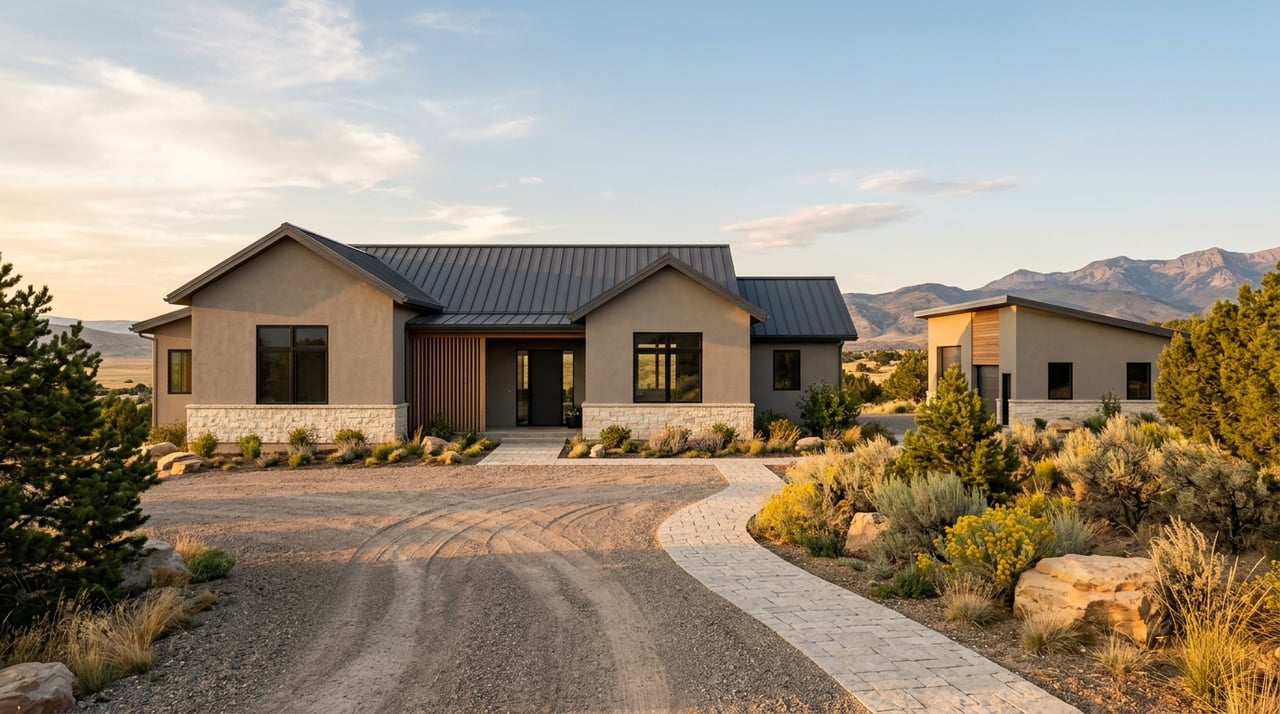
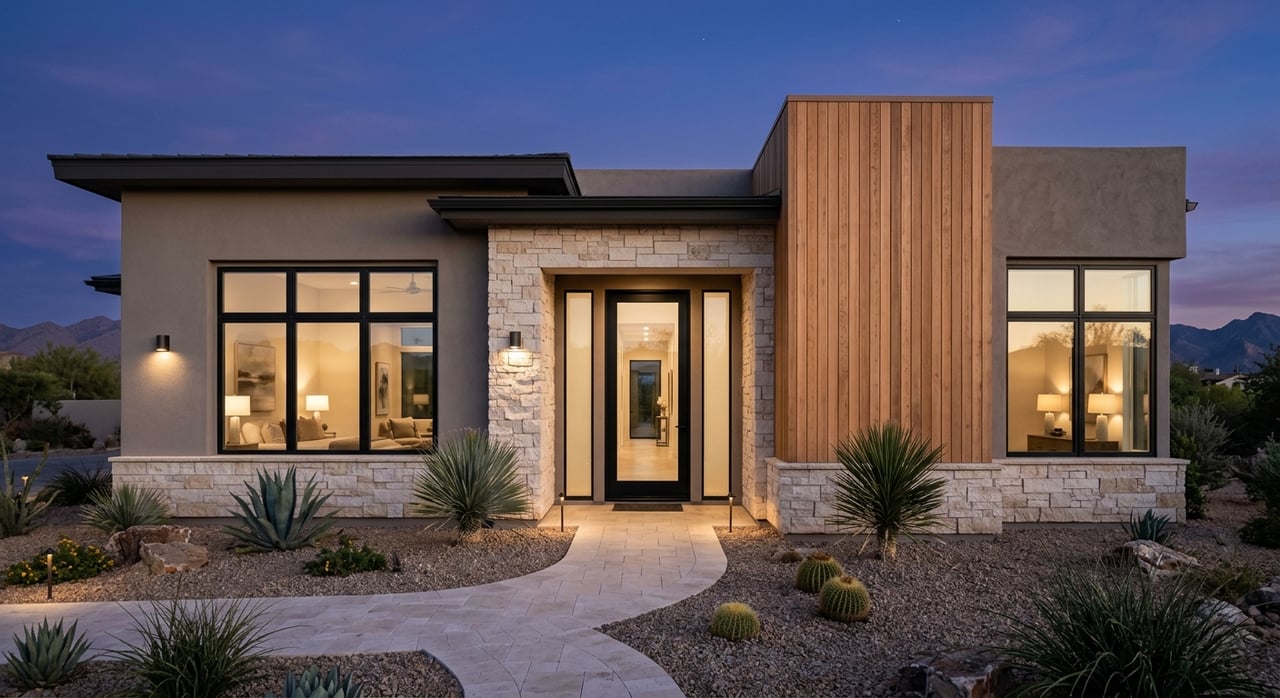
If you picture detached homes with more of a traditional residential feel, that lines up with the local housing profile. Census data shows that about 98% of Toquerville’s housing stock is single-unit housing. The reported median value of owner-occupied homes is $563,200.
In plain terms, single-family homes dominate here. You are less likely to find the kind of dense condo or apartment options that show up in larger or more tourism-focused markets. That can be appealing if you want a property that feels more like a true home base than a lock-and-leave resort unit.
Toquerville has more than one housing feel. The historic core still shapes the character of the city, with the Town Hall and historic homes helping define the older part of town. The General Plan describes the historic Main Street area as a walkable neighborhood with potential for adaptive reuse and streetscape improvements.
At the same time, future growth is expected to cluster more around I-15 and the bypass road. In those areas, the city allows a broader mix of housing types and supporting services. The plan also notes that smaller lots and multifamily homes may appear in newer growth areas, while established neighborhoods are expected to keep housing types and lot sizes in line with their existing pattern.
A good basecamp is not just about location. It also needs to work for everyday ownership. Toquerville’s utility system includes online bill pay through Xpress Bill Pay, water-use tracking through EyeOnWater, water schedules, and service forms for starting or stopping utility service and requesting garbage or recycling bins.
That setup can be helpful whether you plan to live in the home full time or use it part time. The city also coordinates core services like culinary water, sewer, and solid waste through local and county partners, which adds practical support for ongoing ownership.
Toquerville also offers public community spaces that add to everyday livability. The city states that parks are open to residents and visitors and can be reserved for private use. Its parks page highlights Center Street Park, Trail Ridge Estates Park, Westfield Park, and Old Town Hall rentals for gatherings, meetings, and events.
That may seem like a small detail, but it says something important about the town. Even without the commercial density of a larger city, Toquerville still has places that support day-to-day community life.
If you are trying to avoid a purely visitor-oriented environment, Toquerville stands out. The city’s long history, older homes, and planning direction all point toward a neighborhood-first identity. That can be attractive if you want a Southern Utah property that feels grounded and residential.
This distinction matters when you compare Toquerville to more tourist-centric locations. In Toquerville, the setting tends to support a quieter home life while still keeping outdoor access close enough for regular use.
If you plan to use a Toquerville home mainly for yourself, your family, and occasional personal guests, that is different from operating paid lodging. The city defines a nightly rental as leasing a dwelling, or part of it, for 30 calendar days or less in exchange for payment. That makes ordinary private use separate from short-term rental activity.
This is an important point for second-home buyers. If your goal is personal use with friends or family staying with you from time to time, that is one conversation. If your goal includes hosting paying guests, that is a different use with different rules.
Toquerville requires an approved Nightly Rental License for properties used as paid short-term lodging, along with a business license. The Building Department also conducts nightly rental license inspections. The city has adopted and revised nightly rental ordinances in recent years, which shows that this is an active local policy area.
The General Plan gives even more context. It says the city wants to keep implementing caps on short-term rentals in traditional neighborhoods, monitor permitted rentals and listings, and direct tourist accommodations toward areas near I-15 rather than into established residential areas.
If you are buying with any kind of income-producing plan in mind, it is smart to confirm current city rules before you close or market the property. The city’s Planning and Zoning guidance specifically says to verify current regulations with the City Recorder rather than rely on older information. That is especially important in a town that is trying to protect its residential character while planning for growth.
A local agent can help you think through how a property may fit your goals, but the city’s current process and approvals are the final checkpoint. In a market like Toquerville, that clarity can help you avoid expensive assumptions.
Toquerville is not standing still. The city’s proposed 4.5-mile Parkway corridor is intended to relieve SR-17 and support residential and commercial growth as traffic increases around Zion and other recreation areas. That tells you the city is planning ahead for more regional movement while trying to preserve day-to-day livability.
For buyers, that creates an interesting long-term story. You are looking at a place with established residential roots, a clear neighborhood-first identity, and planning efforts aimed at managing future pressure rather than ignoring it.
Toquerville can make a lot of sense if you want a detached home, practical regional access, and a setting that feels more like a real community than a vacation hub. It may be especially appealing if your version of a Southern Utah basecamp includes quiet mornings, easy freeway access, and day trips that start from home instead of from the center of visitor traffic.
The right property still depends on how you plan to use it. Whether you are relocating full time, buying a second home, or looking for a lifestyle purchase that keeps Zion and St. George within reach, Toquerville offers a distinct option in Washington County.
If you want help comparing Toquerville with other Southern Utah areas or narrowing down homes that fit your lifestyle goals, Ciera Huha can help you explore your options with local insight and personal guidance.
Stay up to date on the latest real estate trends.
Get assistance in determining current property value, crafting a competitive offer, writing and negotiating a contract, and much more. Contact me today.